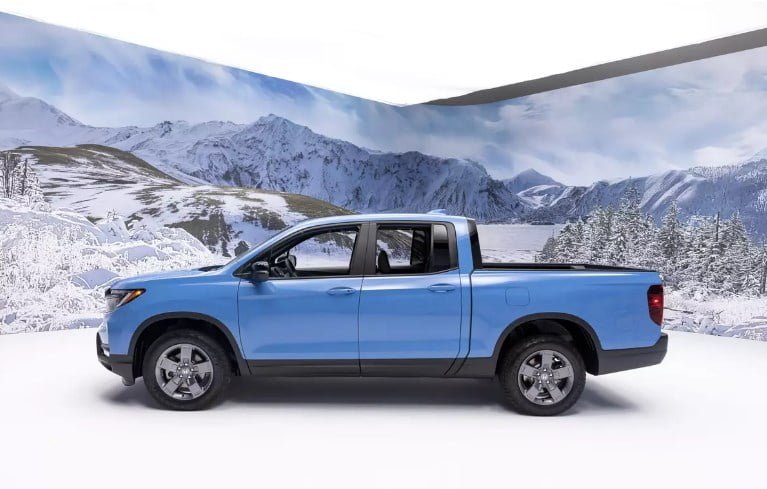
In a recent round of testing, the Insurance Institute for Highway Safety found that full-size pickup trucks could do a better job of protecting rear-seat occupants in frontal collisions. With their high seating position, all four trucks — crew-cab model-year 2023 versions of the Chevrolet Silverado 1500, Ford F-150, Ram 1500 and Toyota Tundra — fared well in the updated side impact crash test. But in the updated moderate overlap front crash test, the Silverado 1500, F-150 and Ram all rated poor, the agency’s lowest score; only the Tundra managed a marginal rating.
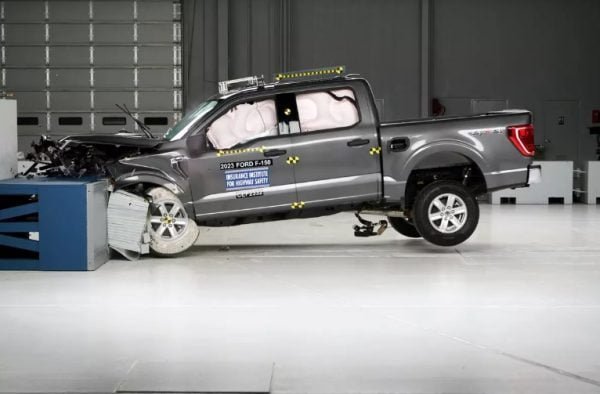
In crash tests, IIHS rates vehicles on a scale of poor, marginal, average or good. In the updated moderate overlap crash test, the vehicle travels at 40 mph into a barrier that covers 40% of the vehicle’s width.
Shifting Focus
The moderate overlap front test was updated in 2023 to focus more on rear-seat safety. IIHS said, “research showed that in newer vehicles, the risk of a fatal injury is now higher for belted occupants in the second row than for those in front.” The agency also noted that it’s not because the second row has become less safe, but because front-seat safety has improved. Many of the features that make the front seat safer — IIHS called out improved airbags and advanced seat belts, in particular — are rarely fitted in the rear seat.
In addition to placing a dummy the size of an adult man in the driver’s seat, the updated moderate overlap front test now includes one dummy the size of a small woman or 12-year-old child in the seat behind the driver. Sensors on the dummies measure forces on the head, neck, chest and legs, and IIHS also records how well the seat belts keep the dummy positioned for optimal protection.
Better Belts Needed
In all four trucks, the rear-seat dummy “submarined,” sliding forward and underneath the lap belt, which increases the risk of abdominal injuries. IIHS noted that chest, neck and head injuries were likely in the Ford and the Ram, and the risk was “somewhat lower but still excessive” in the Chevy. The Toyota performed only slightly better, with poor belt positioning leading to a high risk of chest injuries, but “the risk of head or neck injuries was only slightly elevated.”
Since a frontal crash results in greater structural deformation in the front of the cab, addressing these shortcomings in the rear seat isn’t likely to necessitate significant reengineering of the body shell itself.