
An Important Advancement for Electric Vehicles
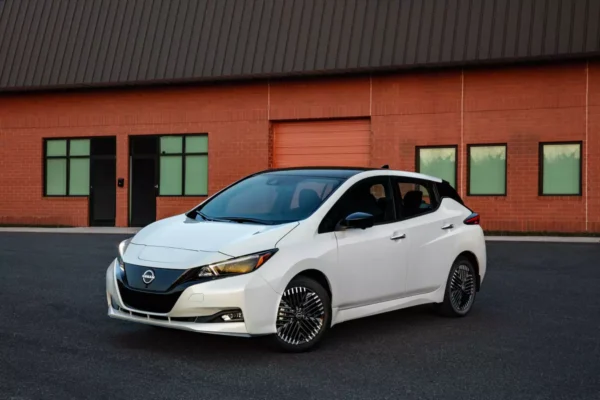
Bidirectional charging is becoming an increasingly common feature in electric vehicles (EVs), but it’s a more complex process than it appears at first glance. Although a simple 120-volt plug in the cargo area of an electric SUV can power appliances, true bidirectional charging can support much more substantial applications. This includes drawing power from solar panels and feeding it back into the electrical grid. Recently, Nissan announced the approval of the Fermata Energy FE-20 bidirectional charger and V2X platform for its LEAF EV, marking a significant milestone in the EV industry.
Understanding Bidirectional Charging
Generally, most EV chargers only operate in one direction, channeling electricity from the grid to the vehicle’s battery. Bidirectional charging systems like the Fermata FE-20 enable an additional layer of complexity: they allow vehicles to send power back into the grid or use it for other high-power applications. This capability turns EVs into mobile energy storage units capable of reducing energy costs and enhancing grid resilience during outages.
The Commercial Value of the FE-20
The Fermata Energy FE-20 is a commercial-grade bidirectional charger. Kent O’Hara, President of Nissan’s 4R battery business, stated that this technology provides valuable energy cost reduction capabilities for Nissan LEAF fleet customers. In a trial of the Fermata FE-15, the predecessor to the FE-20, Nissan’s U.S. headquarters saved nearly ,500 over four years by charging during off-peak hours and feeding power back into the infrastructure during high-demand periods.
Home Applications and Future Prospects
While the FE-20 is targeted at commercial users, there is growing interest in residential bidirectional charging solutions. A University of Rochester study indicates that EV owners could save between $120 and $150 annually by using residential versions of such technology. As the EV ecosystem continues to evolve, more automakers are likely to develop both commercial and at-home V2X systems to meet the increasing demand for advanced energy management solutions.