
What is Limp Mode?
Limp mode is a safety feature in modern cars designed to prevent further damage when something goes wrong. It allows your car to be driven a limited distance at reduced speed, typically by limiting engine rpm, engine power, and road speed. This mode may also deactivate the air conditioning and keep the transmission in one gear or prevent it from shifting into higher gears. Even though encountering limp mode is concerning, it is preferable to being left stranded or facing a significant repair bill.
Signs Your Car is in Limp Mode
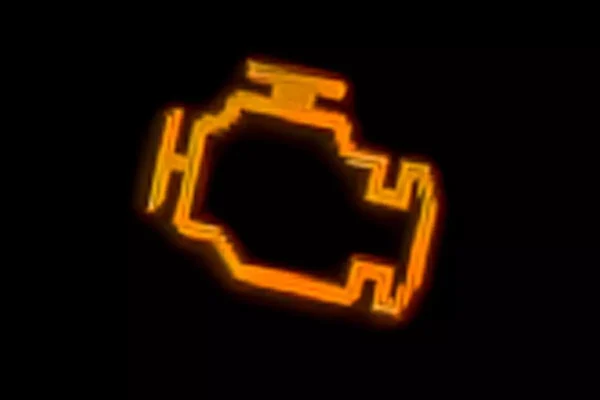
When your car enters limp mode, you will likely notice that it is not running properly. While there might not always be a specific warning light labeled “limp mode” on the dashboard, other indicators such as the check-engine light or other warning lights are typically illuminated. A flashing check-engine light often signals a serious issue. Additionally, the car’s performance will be noticeably reduced, with limited acceleration and speed capabilities.
Steps to Take When Limp Mode Activates
If your car suddenly starts running poorly, the first step is to find a safe place to pull off the road. Driving slowly in fast-moving traffic can be extremely dangerous, and there is a risk that the car may shut down entirely. After safely pulling over, check the dashboard for any warning lights and the gauges for any abnormal readings. This can help in identifying potential issues.
Warning lights to look out for include the check-engine, low-fuel, oil-pressure, coolant-temperature, battery-charge, or transmission warning lights. Some problems may be easy to diagnose and fix yourself, while others will require a professional mechanic or specialized tools.
Using Diagnostic Tools
Many running issues trigger the check-engine light, which can be diagnosed using an OBD II (On-Board Diagnostic) code reader. These tools are relatively inexpensive, often costing less than $50, and are simple to use. They work with nearly all passenger vehicles manufactured from the 1996 model year onward. Utilizing a code reader can help you quickly identify the issue and determine if it’s something you can handle yourself or if professional intervention is needed.