Introduction to EV Charging Costs
Calculating the cost of charging an electric vehicle (EV) can be a complex task, particularly for new car buyers. For the four out of five drivers who can charge their EVs at home, often overnight, the cost per mile is generally significantly lower than that of gasoline-powered vehicles. However, apartment dwellers face challenges due to varying rates at public charging stations, leading to discrepancies in charging costs.
Home Charging: An Economical Choice
For individuals with access to home charging, the average U.S. rate of electricity is approximately 17 cents per kilowatt-hour (kWh). This means that most EVs can travel between two to three miles per kWh, making the cost per 100 miles relatively low compared to traditional gasoline cars. For instance, charging a Tesla Model Y at home could cost as little as per full charge, depending on regional rates.
The Challenge of Public Charging
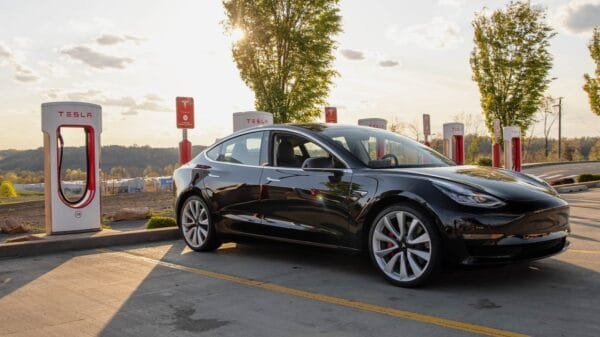
Conversely, public DC fast-charging often comes with higher costs. Rates can vary significantly, with some drivers paying as much as for a full charge at a Level 3 fast charger. This complexity is exacerbated by fluctuating prices across different networks and the introduction of session fees. Additionally, many public charging stations charge a premium during peak hours, further impacting overall costs.
In conclusion, while home charging presents a more economical option for most EV owners, the cost of public charging varies widely. For those planning lengthy trips, understanding these dynamics is crucial to managing charging expenses effectively.