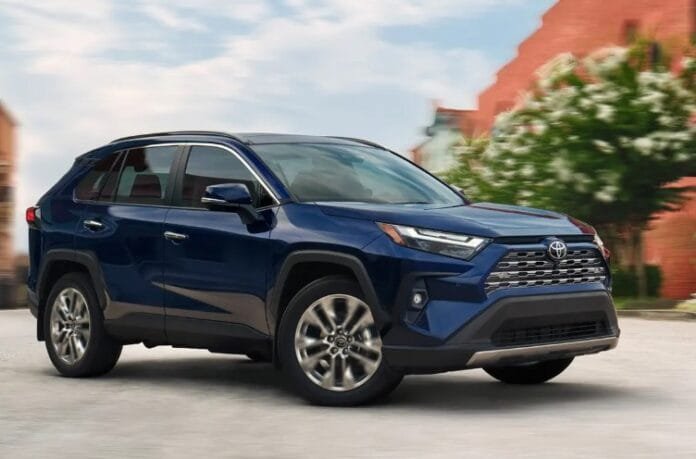
Understanding the New Tariffs
The recent announcement regarding new tariffs on automotive components signifies a pivotal moment for car owners. While many are focused on the implications for new car prices, existing vehicles are also on the line. As automotive parts face increased tariffs, owners may experience elevated repair costs as mechanics adjust prices to reflect these changes.

Consequences for Vehicle Repair and Insurance Costs
It’s crucial to consider that the new tariffs will likely ripple through the automotive industry, impacting both repair costs and insurance rates. Even if car owners do not need to replace significant components like a Canadian-assembled transmission, they may face higher expenses when basic parts require replacement or repair. Insurance companies, faced with increased repair costs, typically respond by raising premiums, leaving most consumers to bear the brunt of these tariff-induced expenses.
Future Outlook: Tariffs and Potential Relief
The landscape surrounding automotive tariffs continues to evolve. President Trump’s attempt to offer tax relief through interest deductibility on loans for U.S.-made cars may not significantly benefit lower-income households. Conversely, potential retaliatory measures from Canada and the European Union each paint a complex picture. With both sides exploring options for negotiations, it is possible that upcoming discussions might alter, delay, or even eliminate these tariffs altogether. The automotive industry remains fraught with uncertainty, requiring ongoing vigilance for consumers and manufacturers alike.