Introduction to the 2026 Mercedes-Benz CLA EV
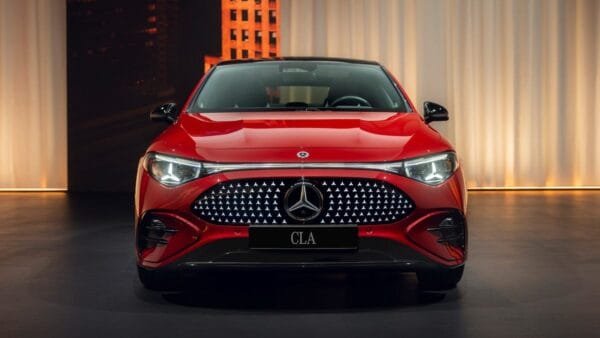
The unveiling of the 2026 Mercedes-Benz CLA electric sedan marked a significant advancement in the automotive industry, particularly in the electric vehicle (EV) segment. Mercedes-Benz introduced the first electric vehicle to utilize an 800-volt architecture, offering charging speeds that reach up to 320 kW. This feat is particularly noteworthy given the ongoing challenges of slow charging times that hinder widespread EV adoption.
Compatibility Issues with 400v Fast-Chargers
However, the new architecture has introduced a notable drawback: the 2026 CLA EV is incompatible with existing 400-volt DC fast chargers. Reports surfaced on social media, clarifying that the CLA can only utilize 800-volt DC fast-chargers. The integrated navigation system embedded in the vehicle will exclusively display stations compatible with this charging standard. This limitation is particularly troublesome for prospective CLA EV owners as the vast majority of DC fast-charging stations across the United States favor the 400-volt platform.
The Future of Charging Options
Compounding the issue is the CLA EV’s adoption of the NACS-style charging port, which enables access to Tesla’s Supercharger network. Unfortunately, very few of these chargers currently operate at 800 volts or higher. As it stands, the CLA will primarily rely on a limited number of 800-volt charging stations, underscoring a significant challenge for users. Thankfully, owners do have the option to recharge at home using AC chargers, which mitigates some concerns about daily use. However, as the number of 800-volt fast-chargers expands, they will likely still make up a small fraction of available options when the CLA EV hits the market in the coming months.