
Introduction to Volkswagen’s EV Strategy
Volkswagen is on the cusp of a significant transformation in its electric vehicle (EV) lineup. As the automotive giant prepares to introduce new battery technology by 2026, the brand aims to revitalize its EV aspirations amid prior setbacks. The upcoming ID.2 model heralds the dawn of a more affordable and efficient Volkswagen range.
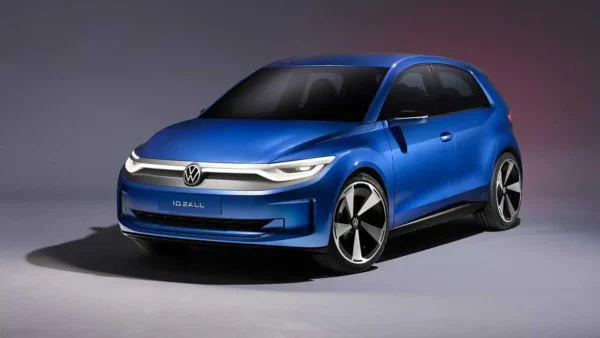
The Role of LFP Batteries
The key advancement lies in the transition to lithium-iron-phosphate (LFP) battery cells, an integral part of the new MEB Plus platform. While LFP batteries may offer slightly lower energy density compared to the nickel-manganese cobalt (NMC) counterparts dominant in western markets, their cost-effectiveness positions them as a staple in the EV world, especially in China. This strategic pivot is poised to enable Volkswagen to lower production costs and, subsequently, the price tags of its EV offerings, including popular models like the ID.3 and ID.4.
The Future of Volkswagen’s EV Lineup
As Volkswagen implements LFP technology across its lineup, the anticipated reductions in pricing could attract a new customer base looking for reasonably priced EVs. With a focus on affordability and modern design, the integration of the MEB Plus platform reflects Volkswagen’s commitment to enhancing its product line while maintaining competitiveness in the evolving EV market. Partnerships with companies like Xpeng and Rivian further indicate Volkswagen’s progressive steps toward refining in-car software and overall user experiences.
Through this strategic evolution, Volkswagen is not just aiming to remain relevant; it is positioning itself as a leader in making electric vehicles more accessible and appealing to a broader audience.