
What is a Catalytic Converter?
A catalytic converter plays a crucial role in a car’s exhaust system. Introduced following the Clean Air Act of 1970, this component helps reduce harmful emissions from vehicles. Typically situated between the engine and the rear muffler, it employs a chemical reaction to convert dangerous gases like carbon monoxide, nitrogen oxides, and hydrocarbons into less harmful substances such as carbon dioxide, nitrogen, and water vapor. More often than not, a catalytic converter resembles a loaf of bread in size and shape, but larger vehicles may have larger converters or multiple units.
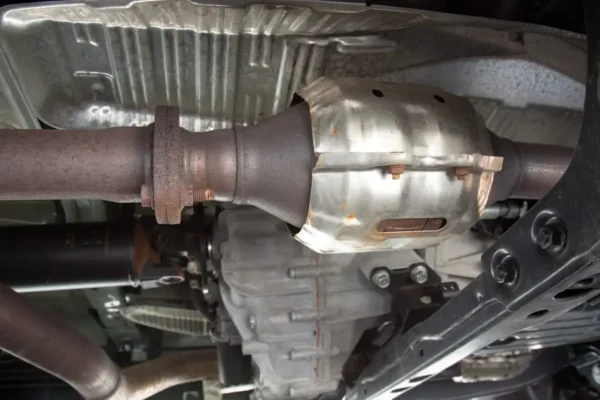
Why do People Steal Catalytic Converters?
The spike in catalytic converter thefts can be traced back to the valuable metals contained within them. Thieves target these converters primarily for three precious metals: platinum, palladium, and rhodium. Currently, rhodium is worth around $5,500 per ounce, making it the most sought-after among these metals. With a theft being relatively quick—requiring just a cut between the engine and muffler—thieves often manage to steal multiple converters in one go. These stolen parts are typically sold to unscrupulous scrap dealers who extract these valuable metals for profit.
Impact and What’s Being Done
While catalytic converter thefts soared in previous years, there is some good news: incidents have significantly declined. For instance, State Farm reported approximately 45,000 theft-related claims in 2022; by the first half of 2024, claims had dropped to fewer than 4,000. While this is encouraging, vehicle owners should remain vigilant, especially as repairs for theft can cost an average of $2,900. Awareness and preventive measures are key to safeguarding your vehicle’s catalytic converter.