Faraday Future and Its Ambitious Launch
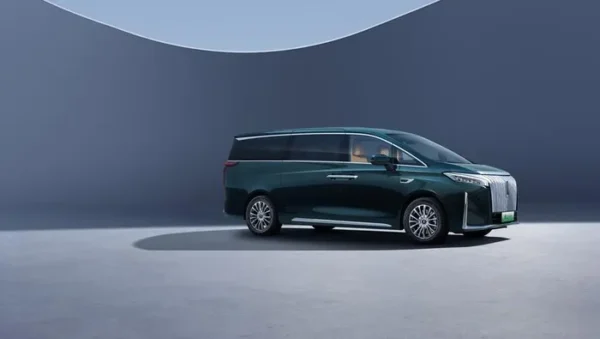
Faraday Future recently unveiled its FX Super One MPV, a vehicle that notably resembles the Great Wall Motors Wey Gaoshan. This announcement raises important questions about the future of Chinese electric vehicles (EVs) in the United States market. Despite the US having a strong domestic auto industry, the growing presence of affordable Chinese EVs in Europe and other regions suggests that the US may soon follow suit.
The Chinese EV Market’s Expansion
China’s electric vehicle market has expanded rapidly, with hundreds of companies vying for consumer attention. However, this hyper-competitive landscape has led to a price war, pushing Chinese manufacturers to explore international opportunities. The US has largely remained untouched due to hefty tariffs, transforming it into a challenging environment for Chinese automakers. This isolationism inhibits the direct entry of affordable EVs into the market, stifling potential benefits for consumers.
Faraday Future’s Strategy for Success
Faraday Future’s partnership with a tier 1 Chinese supplier is significant. By importing assembled parts, it aims to navigate tariffs more effectively and provide a competitively priced vehicle for US consumers. The final assembly in Hanford, California, aligns with current regulations, potentially minimizing tariff-related costs. Although Faraday has ambitious goals of producing 100-150 units by year’s end, the success of the FX Super One hinges on strategic maneuvers concerning tariffs and local legislation.
Overall, as car manufacturers adapt to these complexities, the landscape for Chinese EVs in the US is evolving, promising a potentially transformative experience for American consumers in the near future.