Introduction to Kawasaki’s Hybrids
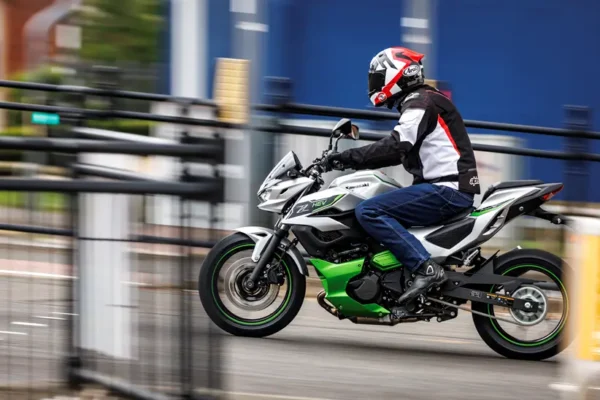
Kawasaki has taken a significant leap into the future with the launch of its hybrid motorcycles, the Ninja 7 Hybrid and Z7 Hybrid. Unveiled in late 2023, these models promised to revolutionize motorcycling by seamlessly integrating petrol and electric powertrains. While they offer thrilling performance and improved economy, including a mode for zero emissions, the market response has been mixed.
Market Challenges and Adjustments
Despite their groundbreaking technology, only 64 Ninja 7 Hybrids and 39 Z7 Hybrids were registered in the UK by mid-2025, indicating a slow uptake among buyers. In an effort to attract more interest, Kawasaki UK has significantly reduced the price of these hybrids by £4,500 from their original cost. Consequently, ex-demo models are now available on MCN at an enticing price point of just over £5,000, substantially lower than their launch price.
The Future Path for Hybrid Technology
The reluctance from consumers poses questions on the viability of hybrid motorcycles, but Kawasaki isn’t losing hope. Competitors like Yamaha are also developing their hybrid models, like the MT-09 naked concept. Kawasaki seems to acknowledge its ‘first-mover disadvantage,’ so they are pivoting strategies. Recent patents suggest a new hybrid powertrain entering the market in the form of a maxi-scooter, providing consumers with the long-range benefits of combustion engines alongside electric capabilities. This shift could cater to urban riders facing low-emission zones while maintaining performance standards.
With the evolving landscape of hybrid technology and consumer preferences, Kawasaki’s forward-thinking approach may signal a promising future for hybrid scooters, expanding their repertoire of innovative two-wheelers.