When the Going Gets Tough
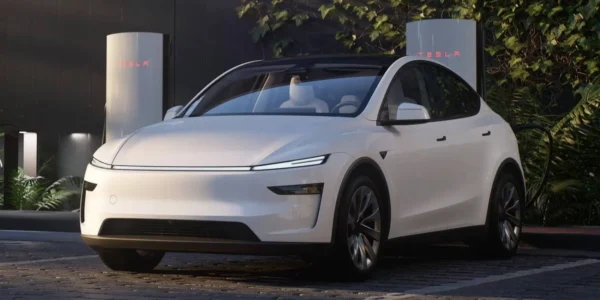
Ah, the Tesla Model Y, the vehicle that’s been riding high as the world’s best-selling car. But this week, it received a gut punch from Germany’s TÜV report 2026, dropping it from the throne of greatness into the depths of “What were they thinking?” This report doesn’t mince words; it labels our beloved Model Y as the absolute worst performer in its segment for reliability. Quite the title for a car that’s been touted as the future of driving!
Numbers Don’t Lie
Let’s talk turkey – or perhaps we should say “turmoil.” According to TÜV, 17.3% of Model Ys surveyed failed inspections with what they classified as “significant” or “dangerous” defects. For comparison, the average failure rate for vehicles aged 2-3 years sits comfortably at around 6.5%. Yikes! The Model Y didn’t just fail; it spectacularly flunked with the worst score seen in a decade. In a battle for the worst reliability, it not only embraces the title—it dances with it!
What’s Really Breaking?
But what’s behind this questionable track record? The culprits are none other than suspension components and brakes, longstanding ache points in Tesla’s engineering saga. Issues like rusty brake discs and contentious control arm bushings have owners whining louder than a toddler deprived of candy. Meanwhile, other electric vehicles like the Mini Cooper SE and Audi Q4 e-tron are showcasing reliability rates that make the Model Y look like it’s auditioning for a demolition derby.
So, as Tesla gears up to address these issues, one can only hope the Model Y isn’t forcing us to consider alternative paths—preferably ones that stay on four wheels!