BYD’s upcoming wave of flagship EVs feels less like a routine product refresh and more like a statement of intent. With the BYD Seal 08 Sedan, Sealion 08 SUV, and the Dynasty-series Tang 9 and Han 9 lined up for early 2026, the company is signaling that it no longer sees itself as merely a value-driven EV giant — it wants a seat at the global premium table.
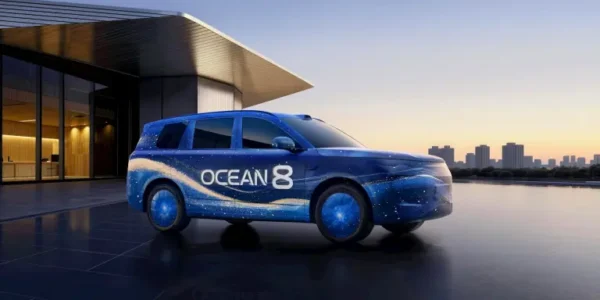
Visually, these new models already tell a story. The Sealion 08, teased under BYD’s Ocean lineup, looks noticeably more confident and upscale than previous Ocean cars. The design language — upright, clean, and imposing — even invites comparisons to premium European SUVs. That’s a significant shift for a lineup once defined by compact, efficiency-focused models like the Seagull, Dolphin, and Seal. BYD is clearly stretching the Ocean brand upward.
A set of BYD flagship D-segment SUV spy shots — the Tang 9 Series — has emerged. It is expected to debut alongside the Dynasty lineup's D-segment sedan, the Han 9 Series, in 1H 2026.
Visible details also indicate LiDAR integration, suggesting strong potential for advanced… https://t.co/D8eBt4vf3e pic.twitter.com/XjpnBgLLYD— ThinkerCar (@thinkercar) January 22, 2026
The Tang 9 SUV takes this ambition even further. With a full-size, three-row layout, roof-mounted LiDAR, and a sub-5-second 0–100 km/h time, it’s engineered to compete on both technology and performance. The fact that it may start in the equivalent of the $30,000–$40,000 range in China underlines BYD’s most disruptive advantage: premium specs at non-premium prices.
Images of the #BYD Tang 9 Series, the brand's D-segment flagship SUV, have leaked online. The rear badging suggests it will be capable of 0-100km/h in 4.9 seconds. https://t.co/P0Hpmb2Alq pic.twitter.com/vUmtGrrHbU
— ThinkerCar (@thinkercar) January 27, 2026
But how well would these vehicles translate to markets like the United States, Canada, Europe, and Australia?
In Europe, the answer looks promising. European buyers are increasingly open to Chinese EVs, especially when design, range, and technology are competitive. A well-finished Seal 08 or Tang 9, priced below established luxury rivals, could appeal strongly in markets like Germany, Norway, and the UK — assuming BYD adapts software, safety standards, and branding to local expectations.
In Australia, BYD’s chances may be even better. Australian consumers value space, performance, and value, and are less brand-loyal to traditional luxury badges. A large electric SUV like the Tang 9 could find a natural audience there.
Canada sits somewhere in the middle. Cold-weather performance, charging infrastructure compatibility, and after-sales support would be decisive, but the appetite for affordable large EVs is real.
The United States remains the toughest challenge. Even though the Tang 9’s size aligns with American tastes — comparable to SUVs like the Tesla Model Y but larger — political barriers, tariffs, and brand perception are major obstacles. The product may fit the market, but the market may not yet be ready for the brand.
In my view, these flagship EVs show BYD is building cars that are globally relevant, not just domestically dominant. Whether they succeed outside China will depend less on hardware and more on regulation, trust, and localization. Still, the message is clear: BYD is no longer chasing anyone — it’s daring the rest of the industry to catch up.