Ford has given its European electric lineup a subtle but important upgrade. The Explorer and Capri Standard Range EVs now switch to a new lithium-iron phosphate (LFP) battery and an updated electric motor—changes that don’t just tweak specs, but potentially reset how competitive these models are in a crowded segment.
Both the Ford Explorer EV and Ford Capri EV ride on Volkswagen’s MEB platform, and the latest update targets the entry-level versions. The move to LFP brings practical benefits: drivers can charge to 100% more often with less degradation, while Ford squeezes out a meaningful range boost—up to 17%. The Explorer Standard Range now reaches up to 444 km (275 miles) WLTP, and the Capri Standard Range stretches to 464 km (288 miles). For everyday European driving, that’s a noticeable step up.
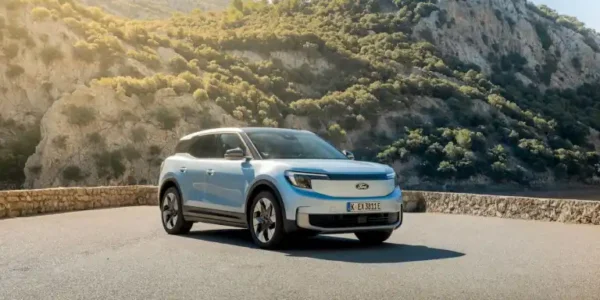
Performance improves too. The refreshed motor delivers up to 190 PS and 350 Nm of torque, cutting the 0–100 km/h time to 8.0 seconds from 8.7. It’s not hot-hatch quick, but it sharpens the cars’ responses in city traffic and on motorway merges—exactly where most buyers will feel it.
The bigger story, though, may be cost. Ford hasn’t announced pricing yet, but replacing nickel-manganese-cobalt (NMC) batteries with LFP typically lowers material costs and reduces exposure to volatile supply chains. If those savings reach buyers, the Explorer and Capri could undercut rivals without sacrificing daily usability.
In context, that matters. Against competitors like the Volkswagen ID.4, Skoda Enyaq, and Hyundai Kona Electric, Ford’s pair now look more balanced. They may not lead on peak range or charging speed, but the combination of LFP durability, solid WLTP numbers, and potentially lower prices plays to mainstream buyers who value predictability over extremes.
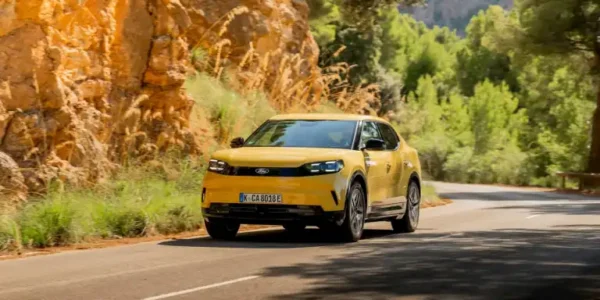
This update also fits Ford’s broader European strategy. With pressure mounting from Chinese brands and aggressive pricing across the market, Ford needs EVs that feel attainable, not aspirational. As CEO Jim Farley has acknowledged, the company is fighting for relevance in Europe—and partnerships and cost-focused engineering are part of that reset.
My take: this isn’t a flashy upgrade, but it’s a smart one. By prioritizing battery longevity, usable range, and affordability, Ford is aligning the Explorer and Capri with how most Europeans actually use EVs. If pricing lands where it should, these refreshed Standard Range models could become some of Ford’s most convincing electric offerings yet—quietly competitive in a market where value now matters more than ever.