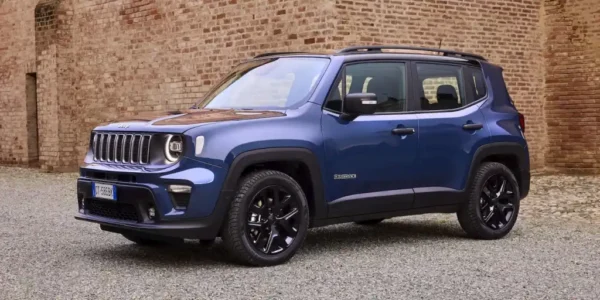
Jeep has quietly stepped back from plans to introduce a $25,000 electric vehicle for the U.S. market, effectively pulling the plug on what could have been one of the most affordable electric Jeeps ever envisioned for American buyers.
While Jeep has not framed the decision as a cancellation in dramatic terms, the message is clear: the low-cost EV that once seemed destined for U.S. roads is no longer part of the brand’s near-term American strategy.
Why Jeep is backing away in the U.S.
The decision reflects a mix of economic reality and market dynamics, rather than a lack of interest in electrification.
First, building a $25,000 EV in the U.S. is extremely difficult. Battery costs, labor expenses, regulatory requirements, and profit expectations make it challenging to hit that price point without significant compromises or subsidies. What works financially in Europe or other global markets does not always translate to the U.S., where vehicles are larger, margins are higher, and consumer expectations differ.
Second, Jeep’s U.S. identity is closely tied to rugged capability, size, and brand image. Entry-level electric vehicles often prioritize efficiency and affordability over off-road credentials—something that can clash with Jeep’s core positioning. A small, low-cost EV risks confusing buyers who associate the brand with trail-rated SUVs and adventure-ready vehicles.
Finally, Jeep appears to be prioritizing higher-margin electrified models, including plug-in hybrids and more premium electric SUVs, where demand and profitability are easier to justify in the current market.
What this means for U.S. consumers
For American buyers hoping for an affordable, brand-name electric SUV, Jeep’s decision is a disappointment.
Fewer affordable EV options: The sub-$30,000 EV segment in the U.S. remains thin, especially for SUVs.
Delayed EV access for mainstream buyers: Entry-level pricing is critical for first-time EV adopters, many of whom are now left waiting longer.
Limited choice from legacy brands: As traditional automakers retreat from low-cost EVs, buyers are pushed toward used EVs or newer, less familiar brands.
For Jeep loyalists in particular, the decision means there is no true entry-level electric Jeep on the horizon—at least not one designed specifically for American roads.
A contrast with global markets
Interestingly, Jeep’s retreat applies mainly to the U.S. market. In other regions, smaller and more affordable electric Jeeps still make strategic sense, thanks to different regulations, incentives, and consumer preferences.
This highlights a growing divide in the global EV landscape: what is viable abroad is not always viable in the U.S., especially when it comes to low-cost electric vehicles.
Final outlook: a missed moment
Jeep’s decision to step away from a $25,000 EV in the U.S. feels like a missed opportunity at a critical moment. As interest in electric vehicles grows beyond early adopters, affordability—not performance or luxury—will increasingly determine who makes the transition.
While Jeep’s cautious approach may be understandable from a business standpoint, it leaves American consumers with fewer accessible pathways into electric ownership. For a brand built on freedom and exploration, the absence of an affordable electric entry point is hard not to see as a moment of genuine regret—both for buyers and for the broader push toward mass EV adoption in the United States.