The Kia EV2 is shaping up to be one of the most important electric cars of 2026—not because it promises extreme performance or cutting-edge range figures, but because it targets a space the EV market still struggles to serve well: accessible, everyday electric mobility.
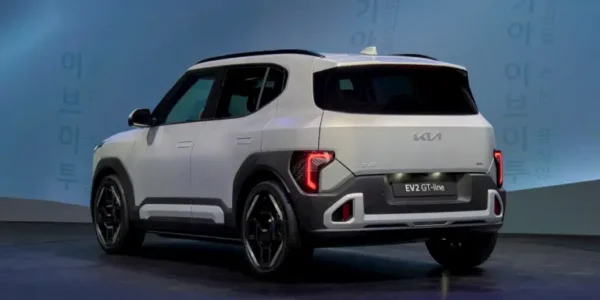
Unveiled in production form at the Brussels Motor Show nearly a year after its concept debut, the Kia EV2 is Kia’s smallest electric SUV to date. With expected pricing around €30,000, Kia positions the EV2 as a true entry point to EV ownership, especially in Europe.
What Makes the EV2 Worth Waiting For?
1. Size That Matches Real Urban Life
At 4,060 mm long, the EV2 sits below the Volkswagen ID.3 and Nissan Juke, and closer in footprint to cars like the Renault 4 EV and Hyundai Inster. That matters. Many EVs have grown heavier, wider, and more expensive—often out of sync with city living.
The EV2’s compact dimensions make it:
-
Easier to park
-
Less intimidating for new EV buyers
-
Better suited to dense European cities
This isn’t a “downsized big car.” It’s designed from the outset to be small, efficient, and usable.
2. Interior Space Over Exterior Presence
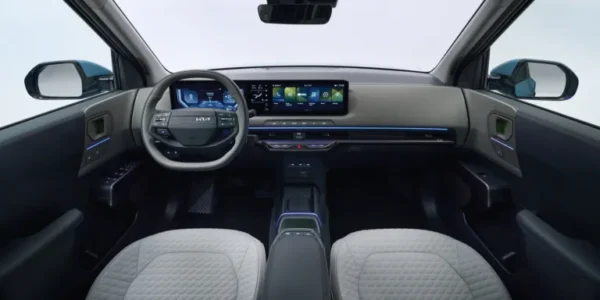
Despite its size, Kia is leaning heavily into interior cleverness rather than exterior bulk. Sliding second-row seats, smart storage solutions, and an open cabin layout are intended to make the EV2 feel larger inside than it looks outside.
This matters more than raw range numbers for:
-
Young families
-
Urban commuters
-
Buyers moving up from superminis or older hatchbacks
In short, the EV2 prioritizes how people actually use cars, not how cars look in marketing photos.
3. A Sensible Take on Performance
Kia has confirmed that at launch, the EV2 will come in Air and Earth trims, with GT Line arriving later. While Kia is expanding its GT sub-brand across the EV lineup, a full EV2 GT—if it happens—would likely remain front-wheel drive, due to platform constraints.
That means:
-
No dual-motor fireworks
-
No focus on straight-line speed
But Kia has been clear that its GT philosophy is about “everyday performance”—better handling, sharper suspension tuning, and a more engaging driving feel, rather than headline horsepower.
If an EV2 GT arrives, it would likely compete not with sports cars, but with electric hot hatches like the upcoming Volkswagen ID. Polo GTI.
Who Is the EV2 Actually For?
The EV2 isn’t trying to be everything to everyone. It makes the most sense for:
-
First-time EV buyers looking for a manageable step into electric driving
-
Urban and suburban drivers who don’t need large batteries or long motorway range
-
Downsizers coming from compact ICE cars
-
Design-conscious buyers who value usability and interior quality over size
It’s less suitable for:
-
Long-distance motorway drivers
-
Buyers seeking AWD or high performance
-
Markets like the US, where larger vehicles dominate
That last point matters: Kia has no plans to bring the EV2—or its new electric GT models—to the United States.
Perspective: A Small Car With Big Strategic Importance
The Kia EV2 isn’t exciting because it’s extreme. It’s exciting because it’s deliberately restrained. In a market crowded with oversized, overpowered, and overpriced EVs, the EV2 feels like a return to basics—done with modern tech and thoughtful design.
Whether it becomes a breakout success will depend on pricing discipline, real-world efficiency, and how well Kia executes the promised interior flexibility. But conceptually, the EV2 represents something the EV market needs more of: electric cars designed for normal people, living normal lives.
And that may be exactly why so many buyers are willing to wait.