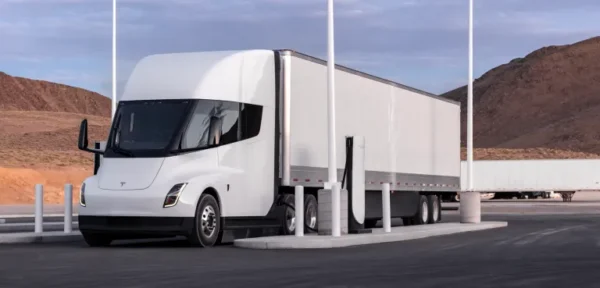
Pilot has taken a meaningful step toward the future of long-haul trucking by partnering with Tesla to install high-power charging stations designed specifically for the Tesla Semi. The first locations are expected to open in the summer of 2026, positioned along major freight corridors such as I-5 and I-10—routes where heavy-duty trucks live and die by uptime.
On paper, this may sound like just another infrastructure announcement. In reality, it addresses one of the biggest unanswered questions surrounding electric trucks: where will they charge, and how fast can they get back on the road? Passenger EV charging has expanded rapidly, but heavy-duty trucks operate on a completely different scale. They need megawatt-level charging, predictable locations, and facilities that can support drivers during mandated rest periods.
That’s where Pilot’s role matters. As the largest operator of travel centers in the US, with more than 900 locations across 44 states and five Canadian provinces, Pilot already sits at the heart of highway logistics. Its sites are built for long stops, food, restrooms, showers, and overnight parking—exactly the ecosystem electric trucking needs to work in the real world. Backed by Berkshire Hathaway, Pilot also has the capital and patience required for infrastructure that pays off over decades, not quarters.
For Tesla, this partnership is about credibility as much as convenience. The company has shown impressive Semi charging demos, including videos of the truck pulling up to 1.2 MW—numbers that finally make electric long-haul plausible. But isolated charging sites aren’t enough. Trucking fleets need a network they can plan around. By embedding Semi chargers into Pilot’s travel centers, Tesla is signaling that electric trucking isn’t just a pilot program anymore—it’s being designed for scale.

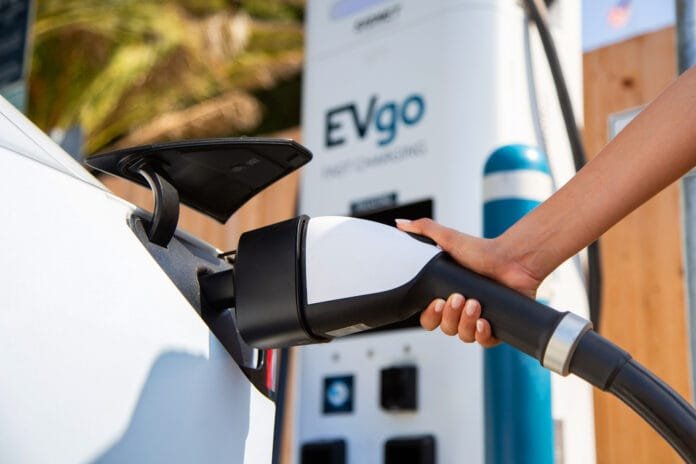
This move also fits into Pilot’s broader strategy. The company isn’t betting on a single technology. It has already worked with Volvo Group on heavy-duty EV charging since 2022, and with EVgo and GM to roll out hundreds of passenger EV charging sites nationwide. In that sense, Tesla is joining an ecosystem that was already forming.
For end users—fleet operators and drivers—the implications are practical. Reliable highway charging reduces route anxiety, simplifies dispatch planning, and makes electric trucks more than a regional solution. Drivers benefit too: charging during mandated breaks at familiar, well-equipped stops feels far more natural than detouring to isolated depots.
My view is that this partnership matters less for headlines and more for execution. Electric trucking won’t be won by specs alone, but by infrastructure that fits how trucking actually works. If Pilot and Tesla deliver on these sites where freight demand is highest, this could be one of the clearest signs yet that electric semis are moving from experiment to everyday tool.