CATL’s long-running push to bring sodium-ion batteries out of the laboratory and into real vehicles is finally reaching a turning point. After years of cautious promises, the world’s largest battery maker now says its first sodium-ion batteries will begin appearing in passenger cars as early as the second quarter of 2026.
The confirmation came this week after CATL unveiled its new Tectrans II sodium-ion battery series for light commercial vehicles. Speaking to China Securities Journal, CATL chief technology officer Gao Huan said the company plans to extend the technology beyond trucks and vans, with passenger vehicles next in line. For the industry, that shift matters. Sodium-ion batteries have long been discussed as a future alternative, but have rarely moved beyond pilot projects or niche use cases.
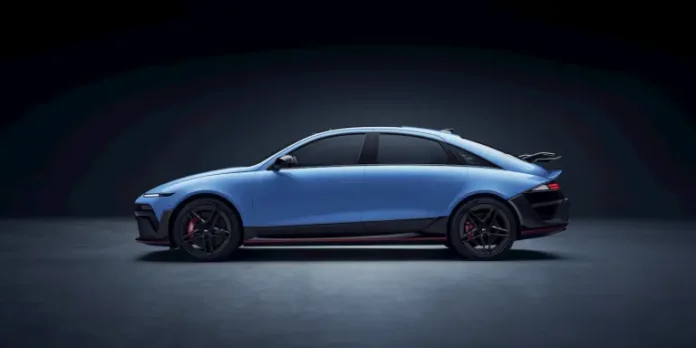
The first passenger vehicle to receive CATL’s sodium-ion battery will be a model from GAC Aion, marking another step in the deepening partnership between CATL and GAC Group. The two companies have already collaborated on projects such as the Aion UT Super EV, which launched late last year with CATL’s ultra-fast Choco-SEB battery swapping system. Bringing sodium-ion into that relationship suggests growing confidence that the chemistry is ready for broader exposure.
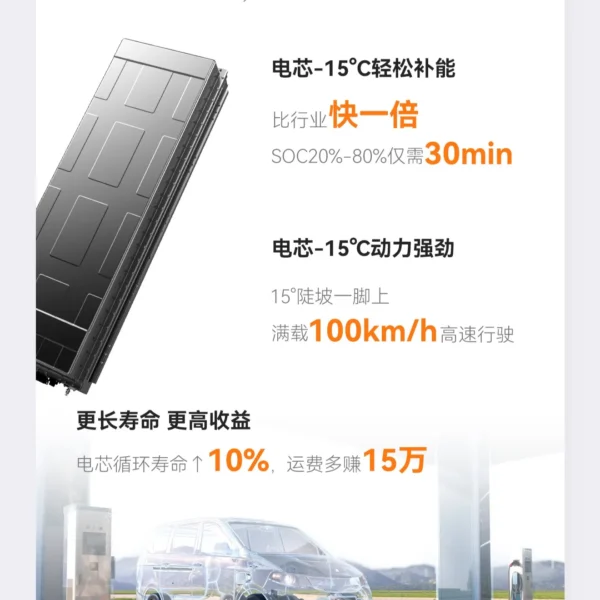
CATL’s optimism is rooted in real-world testing rather than theoretical advantages. The Tectrans II battery packs have already completed winter testing in light trucks and mid-size vans built by JAC Corp, where cold performance is often a dealbreaker. According to CATL, the 45 kWh sodium-ion pack continued charging at temperatures as low as -30°C and retained usable performance even at -40°C—conditions that routinely cripple conventional lithium-ion batteries.
That cold-weather resilience highlights one of sodium-ion’s biggest selling points. Unlike lithium-ion batteries, sodium-ion chemistry performs more reliably in extreme temperatures and does not require the same level of thermal management. For drivers in colder climates, this could translate into more consistent range, faster winter charging, and fewer compromises in daily use.
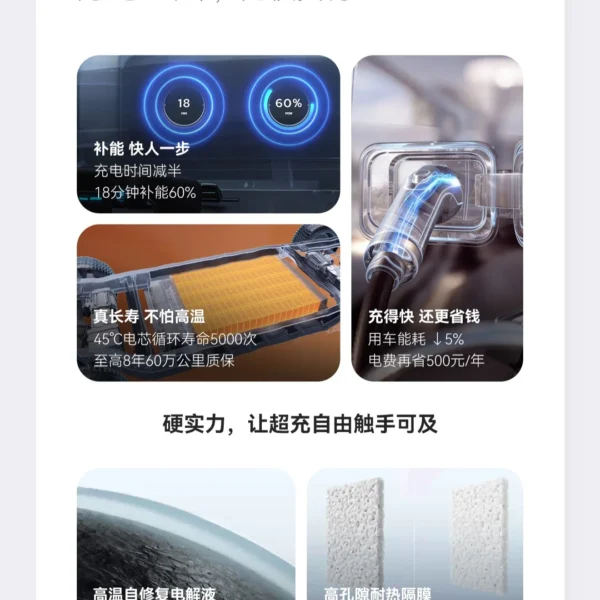
Cost is the other major appeal. Sodium-ion batteries rely on more abundant and cheaper materials than lithium-based cells, offering a potential pathway to lower EV prices over time. CATL expects to begin mass production of sodium-ion batteries in July, including versions designed for battery swapping. As output ramps up, the company plans to expand their use across passenger vehicles, commercial fleets, construction equipment, and stationary energy storage.
There are still trade-offs. Energy density remains lower than most lithium-ion options, limiting range in compact passenger cars. But CATL believes that gap is closing quickly. The company says its sodium-ion batteries could reach energy density parity with lithium iron phosphate (LFP) cells within three years. Its latest Naxtra-branded cells, unveiled last year, already claim 175 Wh/kg—near the upper end of today’s LFP technology.
What makes this moment significant is not a single specification, but momentum. Sodium-ion batteries are no longer a science project waiting for a breakthrough. With production timelines, automaker partners, and real-world testing in place, CATL is positioning them as a practical complement to lithium-based batteries rather than a distant replacement.
If CATL delivers on its timeline, sodium-ion batteries could soon reshape how the industry thinks about cold-weather performance, cost control, and energy security—quietly changing EV ownership long before most drivers realize a new chemistry is powering their car.