Volvo Trucks has expanded its electric truck portfolio with a new, lighter-duty version of the Volvo FL Electric, targeting dense urban operations where maneuverability, efficiency, and emissions regulations matter more than outright range or brute size.
The new model slots into the 14-tonne (around 30,000 lb., Class 7) category, making it the most accessible FL Electric to date. By dropping an axle and shortening the overall length compared with Volvo’s larger cabover electric trucks, the FL Electric becomes a more compact and agile platform—better suited to Europe’s narrow city streets and frequent stop-start duty cycles.
Right-Sizing the Battery, Not Oversizing the Truck
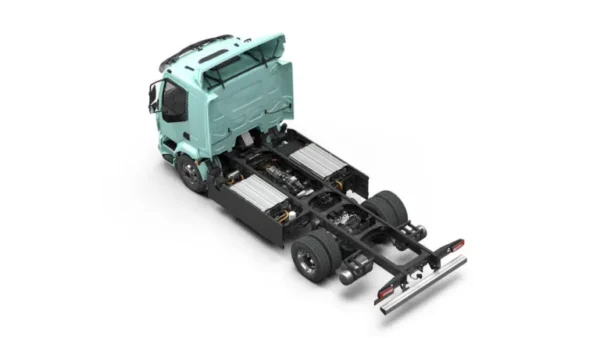
A key change is the introduction of a smaller 145 kWh battery pack, paired with a 180 kW (around 240 hp) electric motor. Through axle gearing, that motor delivers a massive 11,800 lb-ft of torque from zero rpm, a figure that highlights one of the biggest differences between electric and diesel urban trucks.
In real-world terms, this means:
-
Smooth, immediate pull-away from junctions
-
Less strain under load at low speeds
-
Reduced driver fatigue in stop-and-go traffic
Volvo quotes a range of up to 200 km (125 miles), which on paper may sound limited compared with diesel equivalents. In practice, it aligns closely with daily urban delivery routes, where trucks often return to base well before that distance is reached.
Charging vs. Refuelling: A Different Rhythm
Once depleted, the FL Electric can recharge to 80% in under 90 minutes. For many urban logistics operators, that window conveniently matches loading and unloading cycles at supermarkets, warehouses, or retail distribution centers.
Compared with diesel trucks, the operational rhythm changes:
-
Diesel offers quick refuelling but higher noise, emissions, and idle inefficiency
-
Electric demands planning, but rewards predictable routes with quieter operation and lower energy costs
Volvo’s own messaging reflects this shift. Rather than chasing maximum range, the company is pushing the idea that fleets should only buy as much battery capacity as they actually need, maximizing payload and profitability instead of carrying unnecessary battery weight.
Comparing to Diesel Urban Trucks
Against a conventional diesel Class 7 truck, the FL Electric offers:
-
Zero tailpipe emissions, critical in low-emission or zero-emission zones
-
Significantly lower noise levels, enabling night or early-morning deliveries
-
Instant torque that suits heavy urban stop-start work
However, diesel still holds advantages in:
-
Refuelling infrastructure ubiquity
-
Flexibility for unpredictable or extended routes
The FL Electric isn’t positioned as a universal replacement, but as a task-specific tool—designed for predictable, urban use cases where electric drivetrains play to their strengths.
Perspective
The new entry-level Volvo FL Electric underlines a broader shift in commercial vehicle design: electrification is no longer about proving what’s possible, but about tailoring solutions to real operational needs. By downsizing the platform and battery rather than scaling everything up, Volvo is effectively asking fleets to rethink how much truck—and how much energy—they truly require.
Whether this approach accelerates wider adoption will depend less on the truck itself and more on charging infrastructure, urban policy, and fleet willingness to adapt operating habits. What’s clear is that, for city logistics, the electric alternative is becoming harder to dismiss.