Xiaomi has done something no automaker managed to pull off in China for years: outsell the Tesla Model 3 in the premium electric sedan segment. And it didn’t happen slowly. In 2025, Xiaomi delivered 258,164 units of its SU7 sedan, nearly 30% more than the Model 3’s 200,361 deliveries, according to data from the China Passenger Car Association.
On the surface, it’s an eye-catching headline—a smartphone company beats Tesla. But the deeper story is less about novelty and more about how China’s EV market has fundamentally changed.
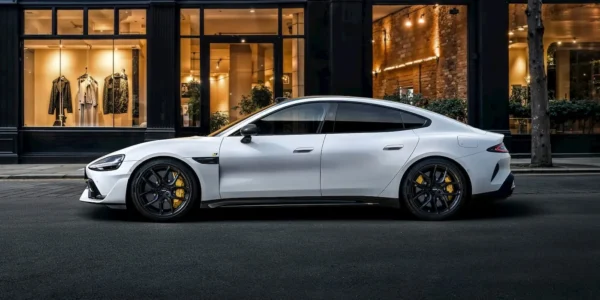
The Xiaomi SU7 launched in March 2024. Less than two years later, it became the best-selling premium EV sedan in the world’s largest car market. That kind of speed is almost unheard of in the auto industry. Xiaomi didn’t just arrive with a competitive product; it arrived with a strategy that Chinese consumers already understood.
Price is part of the explanation, but not the whole one. The base SU7 starts at around RMB 215,900 ($31,000), roughly 9% cheaper than the Model 3. Range also favors Xiaomi, with a claimed 700 km CLTC versus 634 km for Tesla’s rear-wheel-drive Model 3. On paper, that’s a meaningful edge—but pricing and specs alone don’t explain a 50,000-unit annual gap.
What really sets Xiaomi apart is familiarity. For years, Chinese consumers have lived inside Xiaomi’s ecosystem—phones, smart home devices, wearables, and software all tied together through HyperOS. The SU7 feels less like a new car brand and more like an extension of a digital lifestyle people already trust. Features such as free driver-assistance functions and LiDAR included as standard reinforce the sense that buyers are getting more without constant upselling.
There’s also the “domestic champion” factor. Xiaomi isn’t just a Chinese company; it’s a symbol of homegrown tech success. In a market where local brands like BYD, Li Auto, and Xpeng have steadily eroded foreign dominance, Tesla no longer enjoys the outsider advantage it once did. Being early helped Tesla for years. Now, being local—and deeply integrated—matters more.
That shift hasn’t gone unnoticed. Even legacy automakers are paying attention. Ferrari reportedly bought an SU7 to study it, and Jim Farley has openly praised the car, citing it as a wake-up call for Western manufacturers. Xiaomi’s success isn’t just a Tesla problem; it’s a signal to the global industry.
Tesla, for its part, is fighting back with incentives. Insurance subsidies and low-interest financing have rolled out quickly, but competitors matched them almost immediately. In China’s hyper-competitive EV market, incentives are no longer a differentiator—they’re table stakes. And they haven’t stopped Tesla’s overall China deliveries from slipping nearly 5% in 2025.
My view is that Xiaomi didn’t beat Tesla simply because it was cheaper, or because it was domestic. It won because it understood where Chinese consumers are now. The SU7 fits into a digital ecosystem, delivers strong specs without nickel-and-diming, and arrives from a brand people already interact with daily. Tesla is still competitive, still influential—but the era where it defined the segment by default is clearly over.
In China, the premium EV sedan crown hasn’t just changed hands. The rules of the game have changed with it.