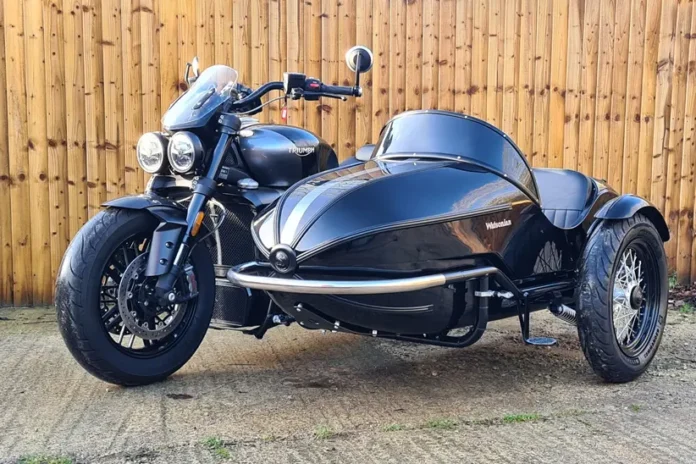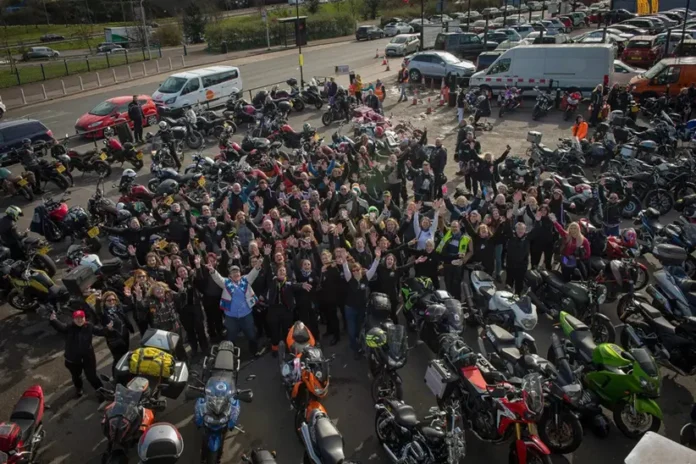
Britain’s motorcycle industry is pushing back against what it sees as an overly car-centric approach to decarbonising transport. In evidence submitted to Parliament, the Motorcycle Industry Association (MCIA) warned that current policy risks missing one of the quickest and most affordable paths to lower emissions: motorcycles, mopeds, and other lightweight vehicles.
The numbers underline the concern. Just 3,282 new electric motorcycles and mopeds were registered in the UK last year, representing only 3.5% of the total two-wheeler market — and that figure is falling. In fact, registrations of electric bikes have nearly halved over the past four years. This stands in stark contrast to electric cars, where more than 426,000 were sold in 2025 alone, pushing EVs to nearly a quarter of all new car registrations.
According to the MCIA, the imbalance isn’t about consumer resistance alone. While electric cars continue to benefit from billions of pounds in incentives and infrastructure investment, targeted support for two-wheelers has largely been withdrawn. That’s despite the fact that small-capacity bikes can cut congestion, reduce emissions immediately, and require far fewer resources to manufacture and operate.
MCIA chief executive Tony Campbell summed it up bluntly, arguing that a car-only strategy simply isn’t a net-zero strategy. From an urban planning perspective, lightweight vehicles can move more people using less space and energy — a reality that policy often overlooks when focusing solely on tailpipe emissions.
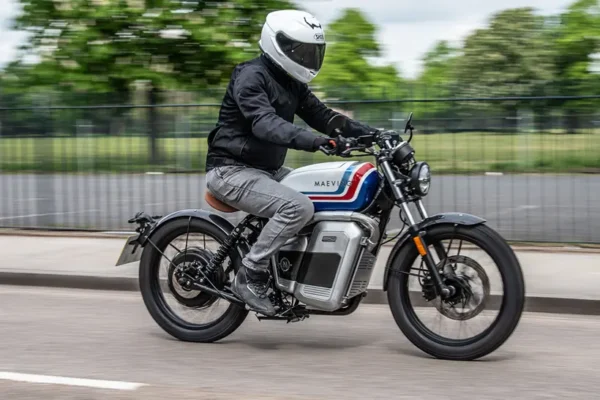
Against this backdrop, one British electric motorcycle maker is bucking the trend. Maeving has secured £11 million in new funding, including backing linked to the West Midlands Mayor, to expand production and push into overseas markets. The Coventry-based firm says its revenues have quadrupled since 2023, and it now outsells all other electric motorcycle brands in the UK, including larger international players.
To me, the contrast is telling. On one hand, national policy is heavily skewed toward cars. On the other, a homegrown manufacturer is proving that electric two-wheelers can succeed when given even modest support. If the UK is serious about net zero, motorcycles shouldn’t be treated as an afterthought — they should be part of the solution, right now, not someday later.