Honda Motor Co. is taking a practical — and potentially disruptive — step in urban electrification. The new Honda ICON e: will go on sale in Japan next month for 220,000 yen (around US$1,400), undercutting Honda’s own gasoline-powered mopeds by roughly 10%.
That pricing decision matters. For years, electric two-wheelers have been cleaner but often more expensive than their petrol equivalents. By flipping that equation, Honda is signaling that small EVs can now compete on pure economics, not just environmental appeal.
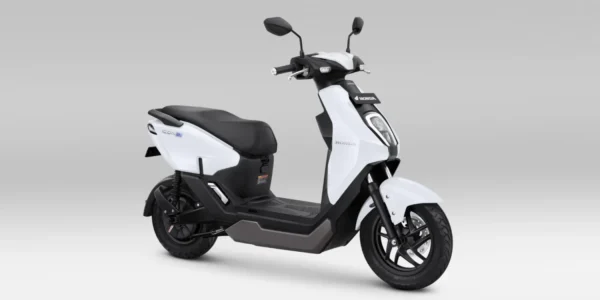
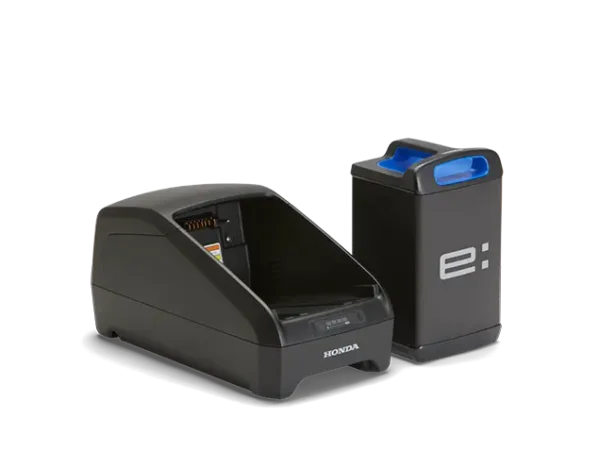
The ICON e: is designed squarely for city life. With a claimed range of 81 km (50 miles), it comfortably exceeds the daily needs of most moped riders in Japan, who typically travel under 10 km per day. Charging could realistically happen just once a week. The scooter’s flat-floor layout makes it practical for errands and commuting, while the removable Honda Mobile Power Pack e: adds flexibility. Riders can charge indoors or swap batteries at Honda’s growing network of stations — a system the company has been expanding across Asia.
Compared with competitors like Yamaha’s small electric scooters or local 50cc petrol models, the ICON e: stands out for brand trust and ecosystem integration. While startups often push flashy specs, Honda is leveraging scale, supply chain strength, and its existing dealer network to bring costs down.
Crucially, the ICON e: can be ridden with a basic moped license, lowering the barrier for younger riders and urban commuters. That regulatory advantage could be just as important as pricing.
My view? Honda isn’t chasing high-performance electric motorcycles — it’s quietly targeting mass adoption where it matters most: affordable, low-speed urban mobility. If electric mopeds are now cheaper than gas, the shift to small-scale electrification may accelerate faster than many expected.