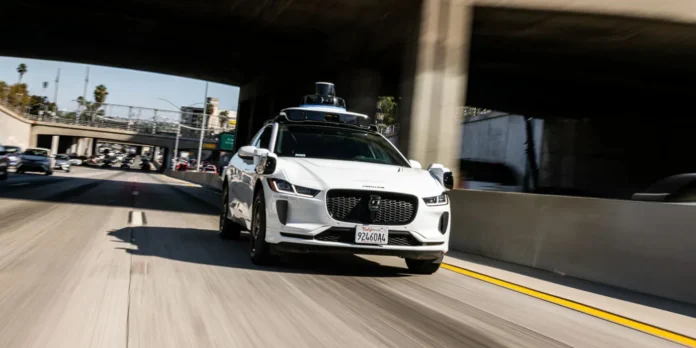
Recent reports suggesting Ford was planning to build electric vehicles in the US with Xiaomi quickly stirred controversy, especially amid ongoing tensions around Chinese involvement in the American auto industry. But both companies have now shut the door firmly on that idea.
The story began with a Financial Times report claiming Ford had discussed a potential EV manufacturing partnership with Xiaomi — a move that, according to the report, could have opened the door for Chinese automakers to gain a foothold in the US. Within days, Xiaomi publicly rejected the claim, calling it “completely false” and emphasizing that it does not sell products or services in the US, nor is it negotiating to do so. Ford followed with an equally blunt response, stating there is “no truth” to the report.
The sensitivity around the rumor isn’t surprising. Any suggestion of Chinese automakers entering US manufacturing immediately raises political and economic concerns. Lawmakers have already voiced opposition, warning against deeper reliance on Chinese technology and supply chains. That backdrop helps explain why even unverified reports gain traction so quickly.
This report about a joint venture with Ford Motor Company is completely false. Xiaomi does not sell its products and services in the United States and is not negotiating with any companies to do so.https://t.co/fc0C2IEtN7
— Xiaomi (@Xiaomi) February 2, 2026
At the same time, Ford’s real strategy is more nuanced. The company has acknowledged discussions with multiple Chinese suppliers in the past, including battery sourcing. It is already moving ahead with a $3.5 billion battery plant in Michigan that will produce lithium iron phosphate batteries using licensed technology from CATL. Those batteries are intended for Ford’s next-generation, lower-cost EVs, including a midsize electric pickup expected to start around $30,000.
In my view, this episode highlights the fine line legacy automakers must walk. Ford is trying to stay competitive on EV costs while navigating political scrutiny and public perception. Denying a Xiaomi partnership doesn’t mean Ford is rejecting global collaboration altogether — it means the company is choosing carefully where, how, and with whom it works. In today’s EV race, clarity and control may be just as important as speed.