Massachusetts is taking a quietly ambitious step toward turning electric vehicles into part of the power grid itself. With a new Vehicle-to-Everything (V2X) demonstration program, the Massachusetts Clean Energy Center is rolling out free, bi-directional EV chargers for schools, towns, and residents across the state — not as a future concept, but as a real-world test.
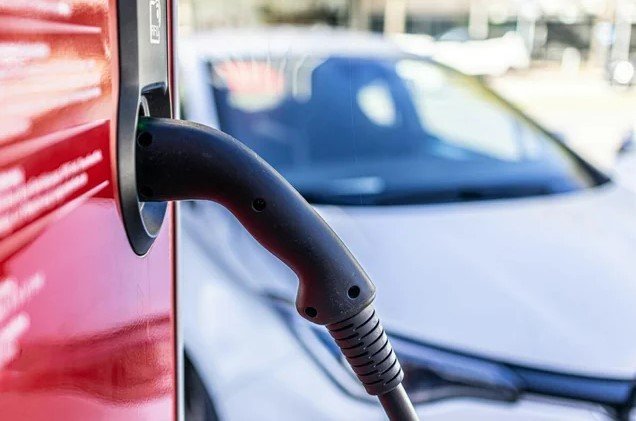
Bi-directional charging allows EVs to do more than just consume electricity. When needed, they can send power back to buildings or the grid, acting like mobile batteries. In practical terms, that means electric school buses, municipal trucks, or personal EVs could keep lights on during outages or help utilities manage peak demand on the hottest summer days or cold winter nights.
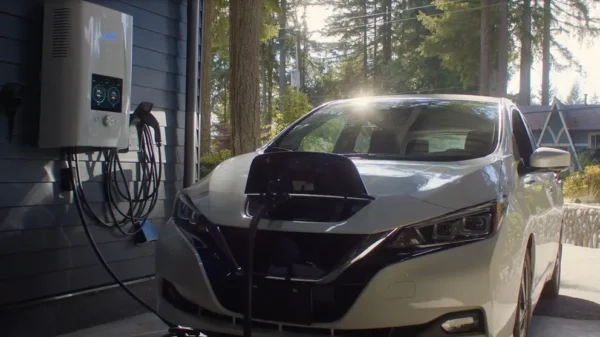
MassCEC expects the participating chargers to deliver more than one megawatt of power during a demand-response event — roughly enough to offset the electricity use of about 300 average homes for an hour. It’s a modest number in grid terms, but an important proof point. The idea is to see how thousands of small batteries, already sitting in driveways and parking lots, could reduce strain on the grid and delay costly infrastructure upgrades.
State officials see this as a glimpse of what’s coming. Massachusetts Energy and Environmental Affairs Secretary Rebecca Tepper described virtual power plants as a key part of the grid’s future, especially as climate-driven outages become more common.
All chargers are expected to be installed by summer 2026, with data collection continuing through the year. Participants pay nothing for the equipment or installation and can enroll in utility programs that compensate them for sending power back to the grid. Notably, more than a third of the funding is directed toward environmental justice communities.
Rather than treating EVs as a burden on the grid, Massachusetts is asking a different question: what if they could help hold it together?