A large UK dataset is challenging one of the most persistent fears around electric vehicles: battery degradation. London-based diagnostics firm Generational analyzed more than 8,000 battery health tests across 36 automakers and found the average EV battery still retains 95.15% of its original capacity.
That figure spans vehicles up to 12 years old and with over 160,000 miles on the clock. Even 8- to 9-year-old EVs showed a median State of Health (SoH) of around 85%, comfortably above the 70% threshold typically covered under manufacturer battery warranties.
Perhaps more interesting than the averages is the spread. Among 4- to 5-year-old vehicles, the top performers retained nearly 96.5% capacity, while the lowest quartile averaged around 91.6%. In older vehicles, the gap widened further. That suggests battery health is shaped more by usage and charging habits than simply age or mileage.
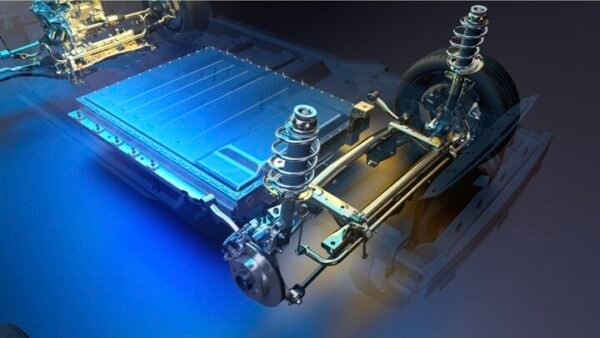
One of the clearest takeaways is that mileage alone is no longer a reliable shorthand for condition. A three-year-old fleet vehicle with heavy motorway use may outperform an older, lightly driven car that experienced repeated fast-charging or extreme climate exposure. That flips traditional used-car logic on its head.
The implications extend beyond consumer reassurance. For automakers, stronger real-world durability data supports higher residual values. For insurers and warranty providers, verified battery diagnostics could enable more accurate pricing. And for used-car buyers, standardized battery health reports may soon become as important as service history.
My view? The biggest barrier to used-EV confidence may not be degradation itself — it’s uncertainty. As transparent battery testing becomes routine, the secondary EV market could stabilize faster than many expected, reinforcing the long-term economic case for electrification.