If you’ve ever waited at a red light in Taipei, you’ve seen it: when the light turns green, a swarm of scooters surges forward ahead of the cars. In Taiwan, two-wheelers aren’t just common — they outnumber cars roughly two to one. That dominance also makes them one of the island’s largest transportation-related pollution sources.
Rather than banning older vehicles outright, Taiwan chose a financial nudge. Since launching its vehicle replacement program in 2022, the government has helped match nearly 125,000 aging combustion vehicles with cleaner electric alternatives. According to Taiwan’s Ministry of Environment, that effort has cut an estimated 529,212 metric tons of CO₂ equivalent emissions by the end of 2025.
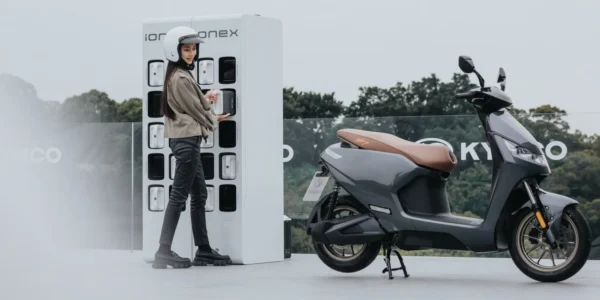
The incentives vary, with higher payouts for scrapping dirtier vehicles like diesel trucks. Even scooter replacements can qualify for meaningful subsidies. In local terms, a grant of around NT$16,000 (about US$500) is substantial — especially when entry-level electric scooters from companies like KYMCO can cost close to NT$30,000. Add fuel savings and lower maintenance, and the economic case strengthens.
Crucially, Taiwan isn’t trying to electrify in a vacuum. The island already hosts one of the world’s most advanced electric scooter ecosystems, led by Gogoro with dense battery-swapping networks across urban centers. That infrastructure means subsidies translate quickly into real adoption.
The numbers won’t transform traffic overnight, but the direction is clear. Taiwan is proving that targeted, culturally aligned incentives can accelerate decarbonization without disrupting daily life.
My view? In places where scooters define mobility, electrification doesn’t require grand industrial overhauls — just smart policy, existing infrastructure, and the right financial push. Taiwan’s approach may offer a blueprint for other scooter-heavy cities across Asia.