Toyota Motor Corporation is clearly shifting gears in the EV race. The new Toyota bZ Woodland takes the standard bZ formula and adds a tougher, more adventure-focused twist — but at a noticeable price premium.
Visually and mechanically, the Woodland stands apart. It rides higher, offers 8.3 inches of ground clearance, and comes standard with dual-motor AWD producing 375 horsepower — Toyota’s most powerful EV to date. A 0–60 mph sprint in 4.4 seconds is impressive for a midsize SUV, and the added towing capacity of 3,500 lbs broadens its appeal. The longer body unlocks up to 74.3 cubic feet of cargo space, giving it real practicality for families or weekend explorers.
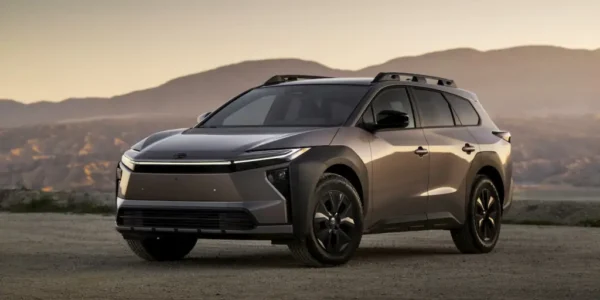
However, the same 74.7 kWh battery means range drops to 281 miles — or 260 miles with all-terrain tires. For buyers prioritizing efficiency, that tradeoff matters. At $45,300 starting, the Woodland costs over $10,000 more than the base 2026 bZ and about $5,000 more than the closely related Subaru Trailseeker.
In the US and Canada, the Woodland likely appeals to buyers who want SUV versatility with occasional light off-road capability — think snow states, mountain towns, or national park trips. The built-in NACS port for Tesla Superchargers adds confidence for road trips. In Australia, where rugged SUVs are culturally popular, it could resonate well if priced competitively. In Europe, however, where efficiency and urban usability dominate, the heavier AWD-focused Woodland may be more niche.
Compared to rivals like the Hyundai IONIQ 5 XRT or Subaru’s EV offerings, Toyota leans more toward mainstream reliability and brand familiarity than outright innovation.
My view? The bZ Woodland isn’t about maximum range or best value per mile. It’s about expanding Toyota’s EV identity into lifestyle territory. For buyers who genuinely want AWD capability and a tougher aesthetic, it could justify the premium. For everyone else, the standard bZ may remain the smarter financial choice.