With the arrival of the new Toyota Highlander EV later this year, Toyota Motor Corporation will finally have a full lineup of electric SUVs in the US. For a company long associated with hybrids and its “multi-pathway” strategy — spanning BEVs, HEVs, PHEVs, and even hydrogen fuel cells — this feels like a meaningful shift in tone.
Toyota has never rushed into the EV race. While rivals pushed aggressively into battery-only platforms, Toyota hedged, betting that hybrids and plug-in hybrids would remain dominant for longer. Now, with four electric SUVs launching by the end of 2026 — including the updated bZ, C-HR, bZ Woodland, and the three-row Highlander EV — the brand is clearly accelerating.
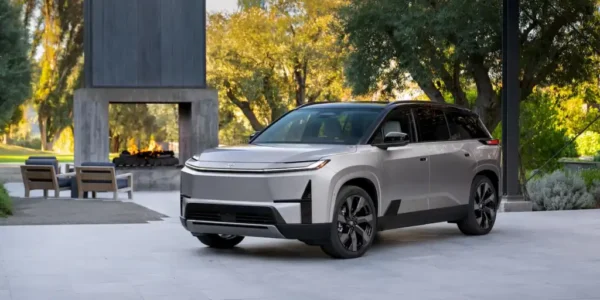
The timing is interesting. Ford has pulled back from its three-row electric SUV plans, and Tesla is phasing out the Model X. That leaves a noticeable gap in the mainstream three-row EV segment. Toyota sees opportunity. Executives insist the Highlander EV isn’t a niche experiment but a volume model designed to fill a clear portfolio hole.
There’s risk in rapid expansion, especially as EV tax credits fade and market growth moderates. However, Toyota’s strength lies in scale, dealer reach, and brand trust. By offering electric options across multiple SUV segments, the company isn’t abandoning its hybrid base — it’s layering EVs on top of it.
My view? This isn’t Toyota abandoning its multi-pathway philosophy — it’s refining it. Rather than betting everything on EVs, Toyota is now ensuring it no longer lacks them. If demand stabilizes and infrastructure improves, this broader EV portfolio could position Toyota to gain market share precisely when others hesitate.