
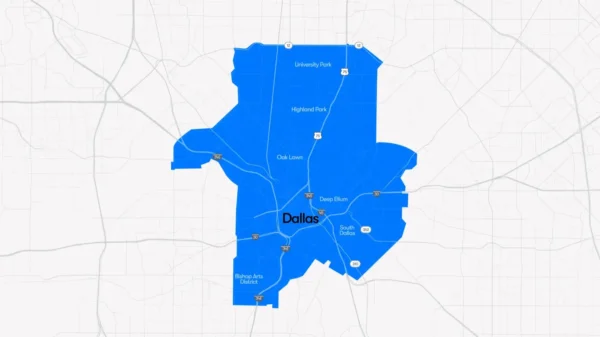
Waymo has quietly done what many competitors are still promising: it has expanded fully driverless robotaxi operations into four additional US cities — Dallas, Houston, San Antonio, and Orlando — bringing its total to ten.
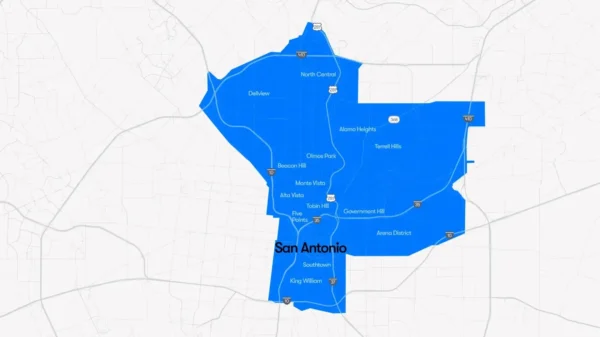
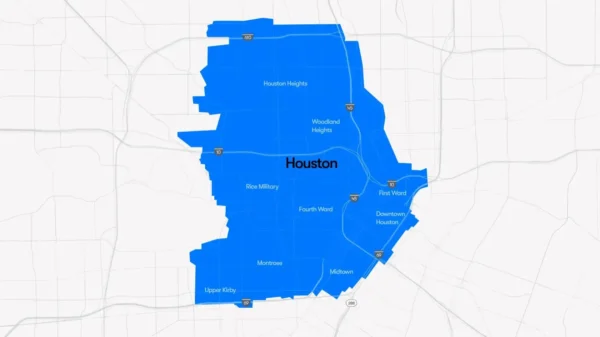
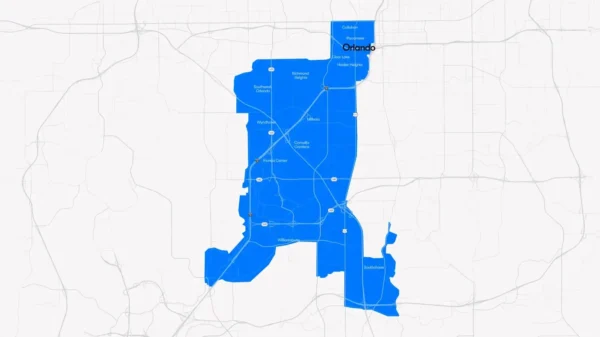
The rollout follows Waymo’s familiar pattern. Service begins in limited zones, initially open to select riders before gradually expanding. Coverage areas range from about 25 square miles in Houston to roughly 60 square miles in Orlando and San Antonio. Airports and highways are not yet included, and Orlando’s service notably extends toward the resort corridor rather than focusing entirely on downtown.
This measured expansion contrasts sharply with the narrative coming from Tesla, which continues to speak publicly about autonomous ambitions but does not operate unsupervised driverless robotaxis in any US city at scale. Tesla’s approach leans heavily on vision-only systems and consumer fleet data, while Waymo relies on multi-sensor redundancy and tightly geofenced deployments. The difference shows in deployment strategy: Waymo expands city by city, zone by zone, prioritizing regulatory trust and operational consistency.
Adding four cities in one day may sound dramatic, but the move is more incremental than explosive. Waymo typically starts small and grows coverage over time — as seen in Phoenix, San Francisco, Los Angeles, Austin, Atlanta, and Miami. The company now lists 18 more cities “up next,” including international targets like London and Tokyo.
The broader implication is clear: the robotaxi race is shifting from technology demonstrations to operational scaling. Deploying in multiple cities requires not just software, but fleet management, remote assistance infrastructure, maintenance logistics, and local regulatory relationships.
My view? Waymo’s expansion strategy may look cautious compared to bold public promises, but in autonomous driving, consistency matters more than spectacle. Scaling safely across cities is far harder than announcing future capabilities — and today’s expansion reinforces who currently leads in real-world deployment.