Lexus is stepping into a new phase of electrification with the all-new 2026 ES — and this time, it’s not just an update. It’s a complete transformation.
For the first time, the ES becomes a multi-platform sedan, available as both a hybrid and a fully electric vehicle. More importantly, the EV version starts under $50,000, positioning it aggressively against premium competitors while keeping Lexus’ traditional strengths: comfort, refinement, and reliability.
A Full Redesign That Feels More Than Cosmetic
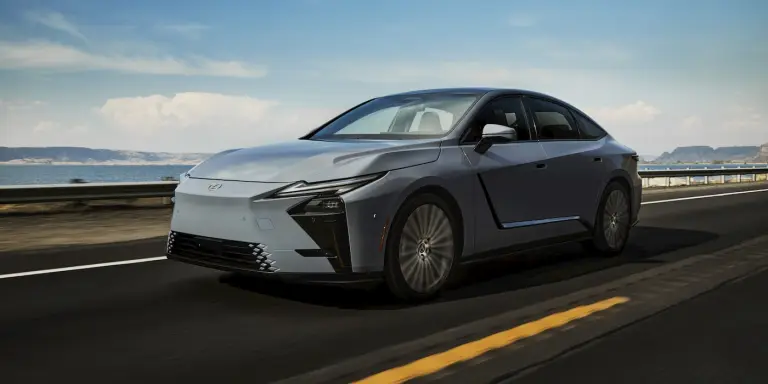
The 2026 ES is built on a design language inspired by the LF-ZC concept, and it shows.
-
New “spindle body” replaces the traditional grille
-
Cleaner, more aerodynamic profile
-
Sharper lighting signature
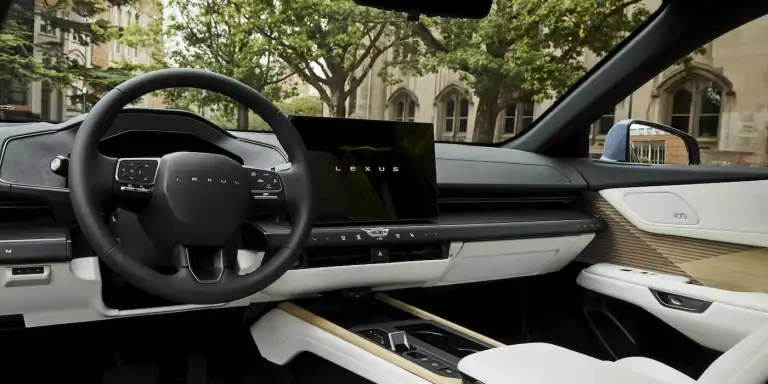
Inside, Lexus finally modernizes the ES cabin:
-
14-inch central touchscreen
-
12.3-inch digital driver display
-
Wireless Apple CarPlay and Android Auto
-
Faster, more intuitive infotainment system
This is a major step forward from the previous generation, which felt outdated compared to German rivals.
Powertrain and Range: Competitive, But Not Class-Leading
The 2026 Lexus ES EV comes in two main versions:
-
ES 350e (FWD)
-
ES 500e (AWD)
Range (EPA estimates):
-
ES 350e (19” wheels): 307 miles
-
ES 350e (21” wheels): 292 miles
-
ES 500e AWD (19” wheels): 276 miles
-
ES 500e AWD (21” wheels): 272 miles
In real-world terms, this places the ES EV in a solid position, though not at the very top of the segment.
Charging:
-
10% to 80% in ~30 minutes
-
Built-in NACS port (Tesla Supercharger compatible)
This is a key advantage. Unlike many competitors, Lexus is fully aligned with Tesla’s charging network from the start, which significantly improves usability in the US.
Technical Analysis: Where Lexus Focuses Differently
Unlike brands chasing extreme specs, Lexus takes a more balanced approach.
Strengths:
-
Predictable range and efficiency
-
Reliable charging ecosystem (NACS)
-
Smooth, comfort-focused driving dynamics
Limitations:
-
Charging speed is average, not class-leading
-
No ultra-high voltage (800V+) architecture
-
Performance is secondary to comfort
This makes the ES EV less of a “tech showcase” and more of a daily luxury commuter, which aligns with Lexus’ core identity.
Pricing Breakdown: Strong Value in the Premium Segment
| Model | Starting Price |
|---|---|
| ES 350e Premium | $48,795 |
| ES 500e Premium AWD | $51,795 |
| ES 350e Luxury | $57,195 |
| ES 500e Luxury AWD | $60,195 |
| ES 350h Hybrid | From $50,995 |
The key takeaway:
-
The base EV starts under $50,000
-
AWD version just above $51K
-
Fully loaded versions stay around $60K
This pricing is aggressive for a luxury sedan.
Price Comparison vs Competitors
Let’s put it into context:
-
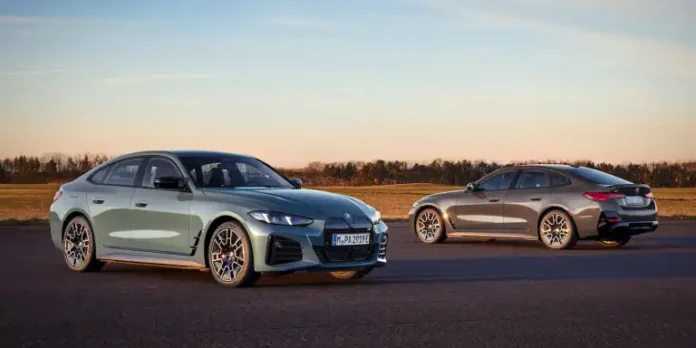
BMW i4: ~ $58,000
-
Audi A6 e-tron: ~ $65,900
-
Tesla Model 3: ~ $36,900
Where Lexus wins:
-
Cheaper than German luxury EVs
-
More premium feel than Tesla Model 3
-
Better interior refinement and ride comfort
Where Lexus loses:
-
More expensive than Model 3
-
Slower charging than newer EV platforms
-
Less performance-focused than BMW i4
Positioning: Who This Car Is Really For
The 2026 Lexus ES EV is not trying to be the fastest or most advanced EV.
Instead, it targets buyers who want:
-
A quiet, comfortable luxury sedan
-
A familiar Lexus driving experience
-
EV convenience without complexity
-
Access to Tesla charging network
This is a very different approach compared to Tesla or BMW, which focus heavily on performance and technology.
Final Verdict: A Smart, Balanced EV — But Not a Game Changer
The 2026 Lexus ES EV is one of the most practical luxury EVs under $50,000 right now.
It does not lead in raw specs, but it delivers where it matters most for everyday drivers:
-
Comfortable ride
-
Solid range
-
Competitive pricing
-
Reliable charging access
However, it is not a disruptive product. It plays it safe.
Clear opinion:
The Lexus ES EV is an excellent choice for buyers who prioritize comfort and reliability over cutting-edge performance. But if you are looking for maximum range, fastest charging, or the most advanced tech, competitors like Tesla or newer EV platforms still have the edge.
In short, this is a Lexus EV through and through — refined, dependable, and quietly competitive, rather than revolutionary.