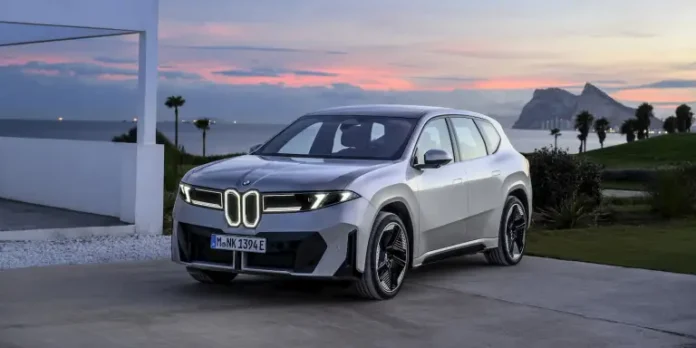
Audi is bringing back one of its most unconventional nameplates — the Audi A2 — but this time reimagined for the electric era. The upcoming Audi A2 e-tron is set to debut later this year, marking Audi’s push into a new, more accessible segment of premium EVs.
A Strategic Return for a Forgotten Icon
Originally launched in the early 2000s, the A2 was ahead of its time with lightweight construction and efficiency-focused design. However, it never achieved mainstream success. Now, more than 25 years later, Audi is reviving the A2 as a fully electric model — but with a very different mission.
Positioned below the Audi Q4 e-tron, the new A2 e-tron is expected to start at under $40,000 (£30,000), making it Audi’s most affordable EV. CEO Gernot Döllner has emphasized that the model is designed to make “entry into the Audi world easier,” signaling a clear effort to attract new, younger buyers.

Design Evolution: From Quirky to Mainstream
Unlike the original A2’s distinctive “egg-shaped” design, the new A2 e-tron adopts a more modern crossover-hatchback profile. Early teasers and spy shots suggest a blend of compact practicality and contemporary Audi styling, aligning it more closely with current consumer preferences.
This shift reflects a broader trend in the industry: even compact EVs are moving toward crossover-inspired designs to maximize interior space and appeal.
Platform and Performance Expectations
The A2 e-tron is expected to share the MEB platform with models like the Volkswagen ID.3, giving it access to proven EV technology.
If Audi follows a similar setup, buyers can expect:
-
Battery options around 58 kWh and 79 kWh
-
WLTP range between 426 km and 600 km
-
Front-wheel-drive configurations with a focus on efficiency
While it may not deliver high-performance figures, the A2 e-tron is clearly aimed at everyday usability and efficiency, rather than outright speed.
Competing in the Entry-Level Premium EV Space
The A2 e-tron will enter a growing segment of compact premium EVs. Key rivals are likely to include the BMW i3 (next generation), the Mini Cooper Electric, and potentially higher-spec versions of models like the Volkswagen ID.3.
Compared to these competitors, Audi’s advantage may lie in brand perception and build quality, while its shared platform helps keep costs competitive.
A Key Piece in Audi’s EV Strategy
Audi has been aggressively expanding its electric lineup, launching over 20 models in recent years. The A2 e-tron plays a strategic role by filling a gap at the lower end of the range, complementing larger models like the Q6 e-tron and upcoming Q9.
Production at Audi’s Ingolstadt plant also reinforces the company’s commitment to European manufacturing and local supply chains.
Final Thoughts
The return of the A2 as an electric vehicle reflects a broader shift in the premium car market: affordability is becoming just as important as performance and luxury.
In my view, the A2 e-tron could be one of Audi’s most important EVs, not because it is the most powerful or advanced, but because it opens the brand to a wider audience. If Audi can balance price, range, and quality effectively, the A2 e-tron may succeed where the original A2 struggled — by finding its place in a market that is finally ready for it.