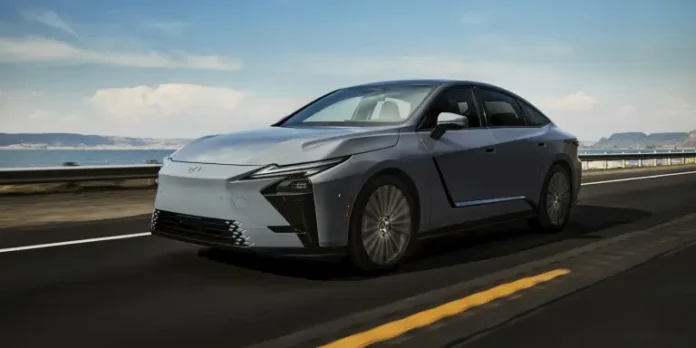
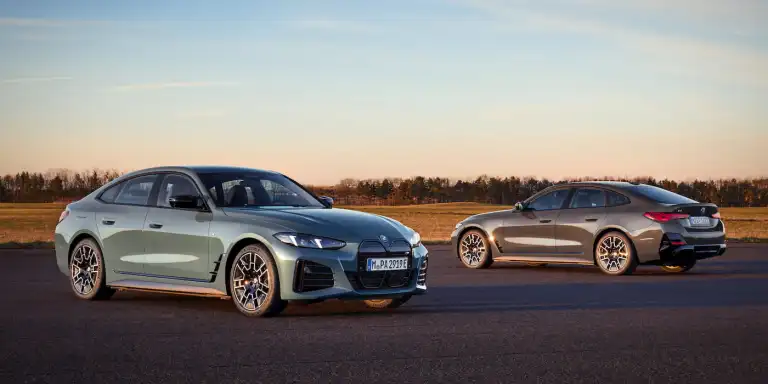
BMW is entering a major transition phase in its electric vehicle strategy. With the upcoming launch of the all-new i3 based on the Neue Klasse platform, the company is preparing to phase out the i4 Gran Coupe — one of its earliest mass-market EVs.
According to BMW, the 2026 model year will be the final production run for the i4, marking the end of an important chapter as the brand shifts toward a new generation of electric vehicles.
The End of the BMW i4: A Strategic Move, Not a Surprise
The BMW i4 was introduced in 2021 and quickly became a key part of the brand’s EV lineup, especially in Europe and the US. Alongside the iX, it helped establish BMW’s presence in the premium electric sedan segment.
However, the i4 is built on a platform adapted from internal combustion models, which limits its long-term competitiveness. With the arrival of Neue Klasse — a platform designed specifically for EVs — BMW is moving toward a more advanced, scalable architecture.
Given that the new i3 will occupy a similar size and segment, discontinuing the i4 is a logical step rather than a sudden decision.
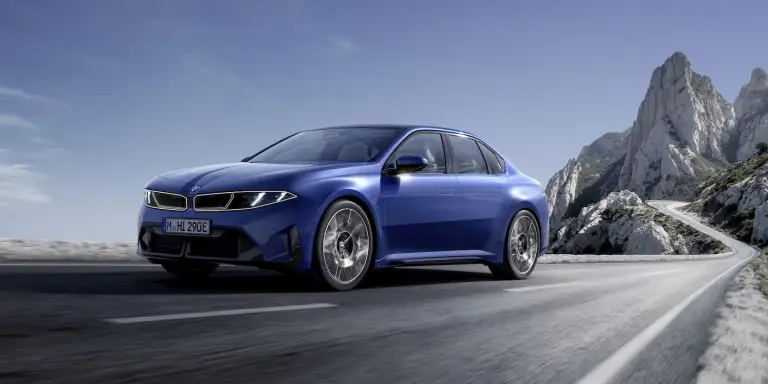
Neue Klasse i3: A Significant Leap in Technology
The upcoming BMW i3 represents a major technological upgrade over the i4.
Key highlights include:
-
Up to 30% more driving range
-
Up to 30% faster charging
-
New Gen6 eDrive system
-
800-volt electrical architecture
BMW estimates the new i3 can achieve:
-
Up to 440 miles (EPA estimated)
-
Up to 900 km (WLTP)
Charging performance is also a major improvement:
-
Up to 400 kW DC fast charging
-
Around 250 miles (400 km+) added in just 10 minutes
These figures place the i3 among the most advanced electric sedans in its class, particularly in terms of charging speed and long-distance usability.
Production Timeline and Expected Pricing
BMW plans to begin production of the new i3 at its Munich plant in the summer, with customer deliveries expected in autumn.
While official pricing has not yet been announced, estimates suggest:
-
Expected starting price: $50,000 to $55,000
For comparison:
-
BMW i4 eDrive40 (2026): from $57,900
-
BMW iX3 50 xDrive: around $60,000
This positions the new i3 as a more advanced yet potentially more competitively priced alternative within BMW’s own lineup.
What Comes Next: Possible i4 Replacement and iX4 Arrival
Although the i4 is being discontinued, BMW has hinted that a replacement could emerge in the future.
Company executives have suggested there may be room for:
-
A more performance-focused
-
Coupe-style electric sedan
However, no official details have been confirmed.
In addition, BMW is preparing to expand its EV portfolio further with the upcoming iX4 coupe crossover. Early information suggests it will launch in two variants:
-
iX4 40 xDrive
-
iX4 50 xDrive
This indicates BMW is continuing to diversify its EV lineup across multiple segments and body styles.
Market Positioning: BMW Shifts to a New EV Era
The transition from the i4 to the Neue Klasse i3 reflects a broader strategy:
-
Moving from adapted EV platforms to dedicated architectures
-
Improving efficiency, range, and charging speed
-
Streamlining the lineup to reduce overlap
Compared to the outgoing i4, the new i3 is expected to deliver:
-
Better real-world range
-
Faster charging performance
-
More future-ready technology
This shift is necessary as competition intensifies, particularly from Tesla and emerging EV-focused brands.
Conclusion: A Necessary Evolution, Not Just a Replacement
BMW’s decision to discontinue the i4 in favor of the Neue Klasse i3 is a calculated move rather than a simple product update.
The i4 played an important role in BMW’s early EV expansion, but it is based on older technology. The new i3 represents a clean break — built from the ground up as a next-generation electric vehicle.
If BMW delivers on its promises of range, charging speed, and pricing, the i3 could become a strong contender in the premium EV segment. At the same time, the potential return of a sportier i4-style model suggests BMW is not abandoning that space entirely, but redefining it for the next phase of electrification.