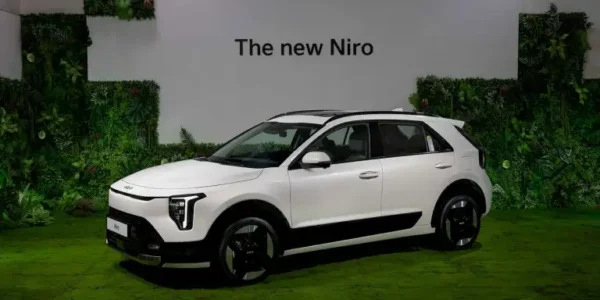
After nearly a decade as one of Kia’s most recognizable electrified vehicles, the Kia Niro EV is approaching the end of its lifecycle. Kia recently launched an updated version of the Niro in South Korea, but this time the model will be offered exclusively as a hybrid. The fully electric version is being phased out as the company shifts its focus toward a new generation of dedicated EV platforms.
The decision reflects a broader transformation inside Kia’s product strategy. When the Niro first debuted in 2016, electrified vehicles were still relatively unfamiliar to many mainstream buyers. The Niro helped bridge that gap by offering hybrid, plug-in hybrid, and fully electric versions within a familiar compact crossover design. Over the years, it became a significant success for the brand, with more than 1.2 million units sold globally.
The second-generation Niro, introduced in 2022, represented a turning point for Kia’s design language. It adopted the company’s “Opposites United” styling philosophy, a visual identity that now defines many of Kia’s newest electric vehicles. That design direction is clearly visible across the company’s dedicated EV lineup, including the Kia EV3, Kia EV4, Kia EV5, and flagship models like the Kia EV9.
From a strategic standpoint, Kia’s move makes sense. The Niro EV was built on a platform originally designed for hybrid powertrains rather than a dedicated electric architecture. As EV technology evolves, purpose-built platforms typically allow better battery packaging, longer driving ranges, and more efficient interior layouts.
The new Niro hybrid still plays an important role in Kia’s lineup. Powered by a 1.6-liter hybrid system, the updated model promises class-leading fuel efficiency while maintaining the practicality that made the Niro popular. Pricing in South Korea starts at 28.85 million won (about $19,600), positioning it as an accessible electrified option for buyers not yet ready to transition fully to electric vehicles.
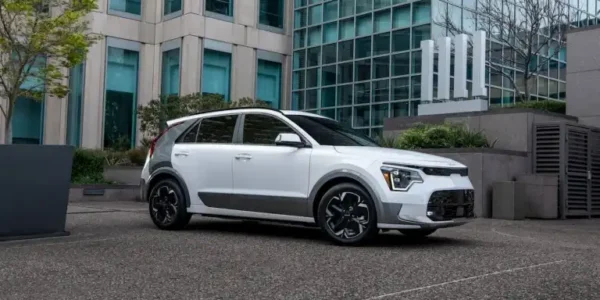
Meanwhile, existing inventory of the Niro EV will continue to be sold in markets such as the United States, where the 2026 model offers an EPA-estimated range of up to 253 miles and starts at around $39,700.
Final perspective: The end of the Niro EV doesn’t necessarily signal a retreat from electrification. Instead, it highlights how quickly the EV landscape is evolving. What once served as a stepping stone toward electric mobility is now being replaced by more advanced, purpose-built EV platforms. For Kia, the Niro helped introduce millions of drivers to electrified vehicles — but the brand’s future clearly lies in its next generation of dedicated electric models.