After mixed feedback on the first-generation model, Triumph Motorcycles is refining its middleweight sportbike formula with the updated Triumph Daytona 660 for 2026. The goal is clear: make the bike sharper, more engaging, and closer to what riders expect from the iconic Daytona name.
One of the most important changes lies in the front suspension. The previous model was criticized for lacking feedback and precision, especially when pushed hard. Triumph has responded by introducing fully adjustable Showa front forks, allowing riders to fine-tune compression and rebound damping. This alone should significantly improve front-end confidence—arguably the biggest weakness of the outgoing bike.
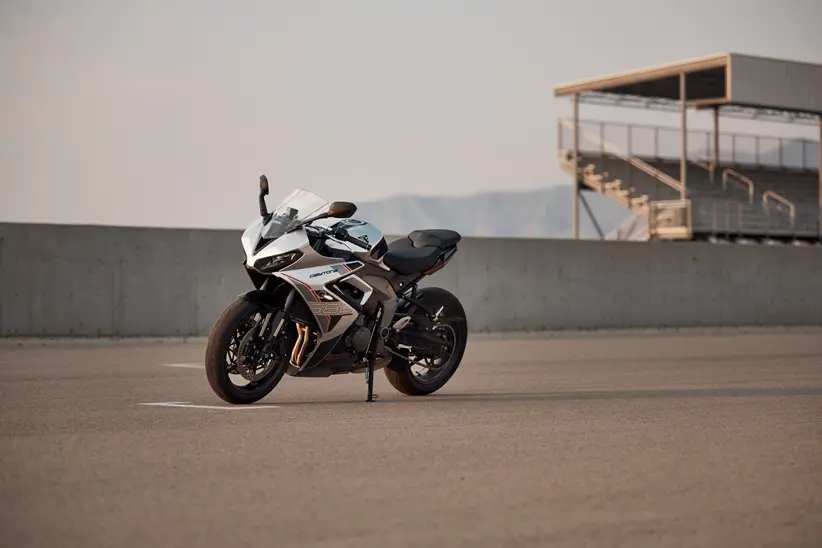
Complementing this upgrade is the switch to Metzeler Sportec M9RR tyres, replacing the Michelin Power 6. The M9RR is a more aggressive, sport-focused tyre, known for strong grip and predictable handling, which suggests Triumph is taking rider feedback seriously and aiming to sharpen the Daytona’s dynamic character.
Still a practical sportbike at heart
Despite these upgrades, the Daytona 660 hasn’t turned into a hardcore track weapon. It remains powered by Triumph’s familiar 660cc inline triple engine, producing 94 bhp and 50.9 lb-ft of torque. The engine’s character is still one of the bike’s strongest points—smooth, flexible, and usable across a wide rev range.
Triumph claims that 80% of torque is available throughout the rev band, reinforcing the Daytona’s role as a real-world sportbike rather than a high-strung supersport machine. This makes it accessible not only to experienced riders but also to those stepping up, especially with the availability of an A2 licence restrictor kit.
The addition of a standard up/down quickshifter and ride-by-wire throttle further enhances the riding experience, making gear changes smoother and adding a more premium feel to everyday riding.
Competing in a changing segment
The Daytona 660 sits in an interesting position within the middleweight sportbike market. It doesn’t directly compete with track-focused machines like the Yamaha R7 or Aprilia RS 660, which lean more heavily toward aggressive performance and track use.
Instead, Triumph is targeting riders who want a balance between sportiness and usability. Compared to rivals, the Daytona offers a more comfortable riding position, better everyday practicality, and the distinctive character of a triple-cylinder engine.
However, this positioning has also been a double-edged sword. Some riders expected a sharper, more focused Daytona—closer to the brand’s supersport heritage. The 2026 updates suggest Triumph is now trying to close that gap without sacrificing usability.
Subtle updates, meaningful impact
Beyond performance, the updates include minor styling tweaks and new color options, giving the bike a fresher look. The price increase to £8,995 reflects the added equipment, but remains competitive within the segment.
With a 201 kg wet weight, manageable seat height, and reasonable service intervals, the Daytona 660 continues to be a practical choice for daily riding as well as weekend fun.
Final perspective
The 2026 Triumph Daytona 660 feels less like a redesign and more like a correction. By addressing key criticisms—especially front-end feedback and tyre choice—Triumph has made the bike more engaging without losing its approachable nature.
It may still not be a full-blown supersport machine, but that’s arguably not the point. The Daytona 660 is evolving into a well-rounded sportbike that blends performance with real-world usability—and with these updates, it finally feels closer to fulfilling its potential.