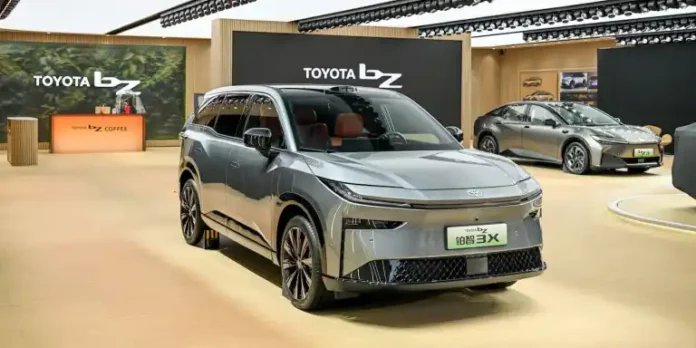
Volkswagen is preparing for a major reset in its electric lineup — and it’s starting with a name people already trust. The successor to the Volkswagen ID.4 is expected to arrive as the ID. Tiguan, blending EV technology with one of the brand’s most recognizable nameplates.
From “ID” to Identity: Why the Name Matters
When Volkswagen launched the ID.4 in 2020, it represented a bold step into the EV era. But while the car itself has been relatively successful, the “ID” naming strategy never truly resonated with mainstream buyers.
Now, Volkswagen is shifting direction. By reusing familiar names like Volkswagen Tiguan, the brand is trying to bridge the gap between traditional customers and its electric future.
This isn’t just a branding tweak — it’s a strategic move to make EVs feel less like a separate category and more like a natural evolution of existing models.
Design: Moving Away From the “EV Look”
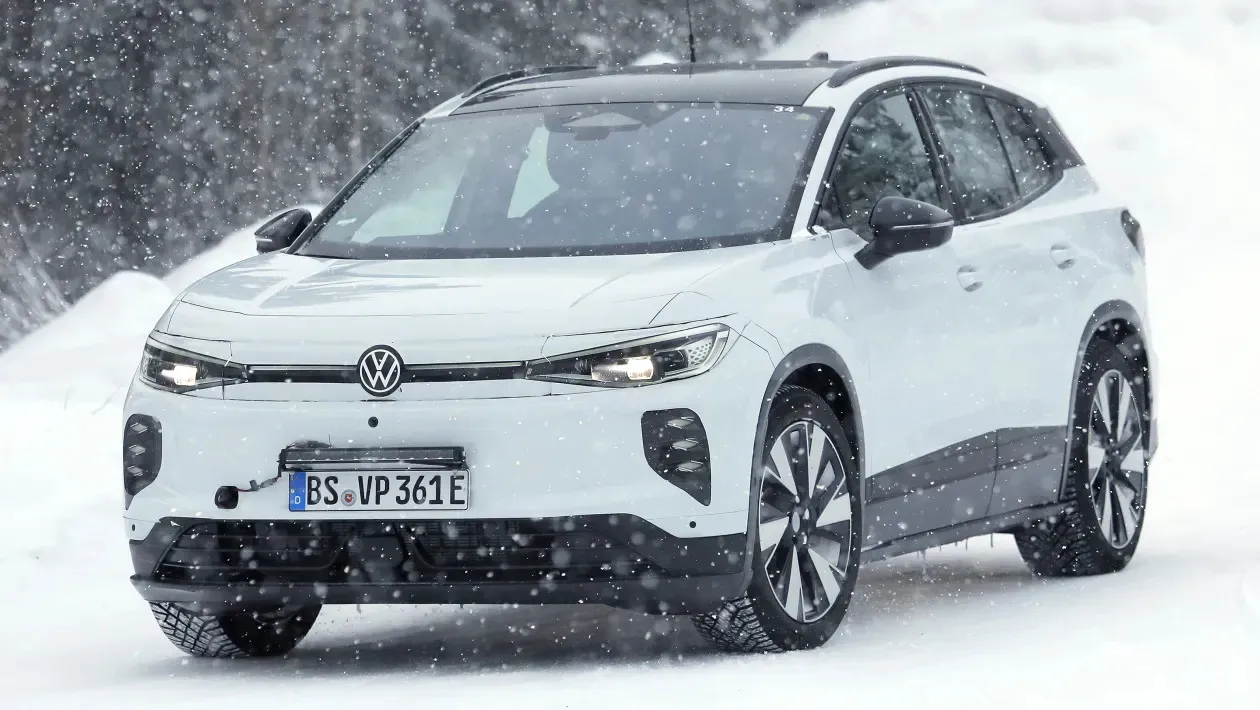
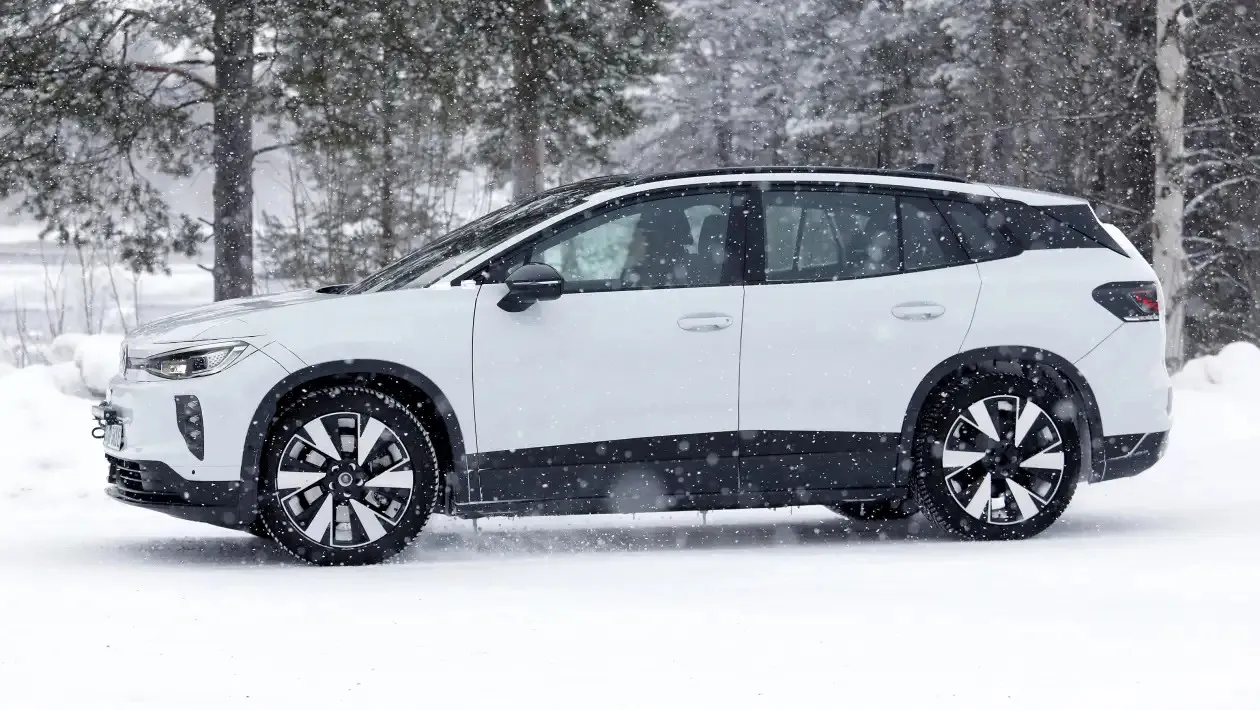
Early spy shots suggest the ID. Tiguan will adopt a more traditional SUV design, moving away from the rounded, aerodynamic styling of the ID.4.
Expect:
-
A more upright, squared-off front end
-
Stronger SUV proportions
-
A design closer to combustion-engine Tiguans
Inside, Volkswagen is also responding to criticism. The new interior will feature:
-
A 10.25-inch driver display
-
A 13-inch infotainment screen
-
The return of physical buttons for climate and key controls
This last change is particularly important, as VW’s touch-heavy interiors have been widely criticized for usability issues.
Platform and Performance Expectations
The ID. Tiguan will likely ride on Volkswagen’s updated MEB+ platform, bringing improvements in:
-
Battery efficiency
-
Charging speed
-
Cost optimization
While official specs haven’t been confirmed, it’s reasonable to expect:
-
Range exceeding the current ID.4’s 291 miles EPA
-
Potential use of LFP batteries for lower-cost variants
-
Improved charging performance compared to earlier models
Pricing could also become more competitive, especially as Volkswagen faces growing pressure from both legacy automakers and Chinese EV brands.
A Tough Battlefield
The ID. Tiguan will enter one of the most competitive EV segments, going head-to-head with:
-
Tesla Model Y
-
Hyundai IONIQ 5
-
Ford Mustang Mach-E
-
Chevrolet Equinox EV
-
Audi Q6 e-tron
Compared to these rivals, Volkswagen’s biggest advantage may not be raw performance, but brand familiarity and practicality — especially in Europe.
However, that may not be enough. Competitors like Tesla still lead in software and charging ecosystems, while Hyundai and Kia are pushing ahead with faster 800V architectures.
Can Volkswagen Close the Gap?
Volkswagen’s EV strategy has faced criticism for being too slow and too complicated. The ID. Tiguan represents a chance to reset — not just in design, but in user experience, pricing, and brand positioning.
In many ways, this model will test whether Volkswagen has truly learned from the shortcomings of the ID.4.
Final Thoughts
Switching to the Tiguan name is more than a cosmetic change — it’s a signal that Volkswagen is trying to reconnect with its core audience while moving into the electric future.
In my view, the ID. Tiguan has the potential to be far more successful than the ID.4, but only if Volkswagen delivers meaningful improvements in usability, pricing, and real-world performance. A familiar name can attract buyers — but in today’s EV market, it’s the overall experience that will determine whether they stay.