
Introduction to New Tariffs
The recent enactment of a 25% tariff on imported goods from Mexico and Canada, alongside a 10% tariff on products from China, has raised significant concerns among car buyers. Following this decision, the Trump administration announced a temporary one-month delay for most affected goods, including vehicles. This pause aims to allow automakers to strategize on how to shift production back to the U.S. to mitigate the impacts of these tariffs.
Potential Price Increases for New Cars
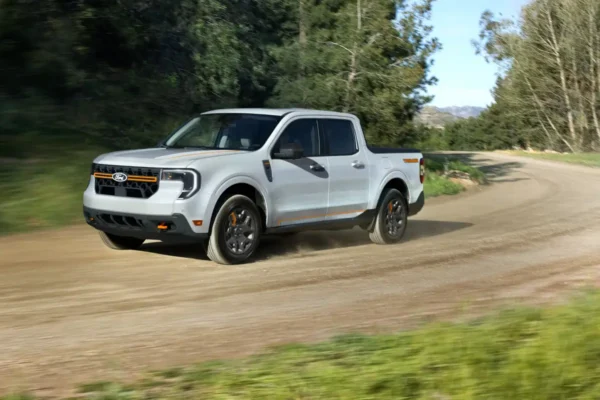
Automakers are currently assessing how to respond to the tariffs, but many are uncertain about the impact on vehicle pricing. According to industry representatives, there is a possibility of price hikes of up to 25% for certain vehicles, especially those manufactured in Canada or Mexico, representing roughly one in five cars sold in the U.S. Such increases are often passed onto consumers, meaning that any new cars imported from these countries will likely be priced higher.
Effects on the Used Car Market
The tariffs may also reverberate through the used car market. As new cars become increasingly expensive, demand for used vehicles is expected to rise, leading to higher prices in that sector as well. Furthermore, the supply of new vehicles may be constrained if the tariffs disrupt the flow of automotive parts. A decrease in production could result in fewer available vehicles, exacerbating the situation for potential buyers.
In summary, while the full extent of the impact on car prices remains speculative, it is essential for buyers to stay informed and be cautious in their purchasing decisions during this period of economic uncertainty.