The Science Behind Car Colors
When it comes to car colors, the debate over whether black cars get hotter than white cars in hot weather is more than just a preference. Scientific research indicates that color plays a significant role in how vehicles absorb and retain heat. A study conducted by the Berkeley Lab’s Environmental Energy Technologies Division in 2011 revealed that light-colored automobiles reflect nearly 60% of sunlight, in contrast to dark-colored vehicles that tend to absorb a significant amount of heat.
Heat Absorption in Black Cars
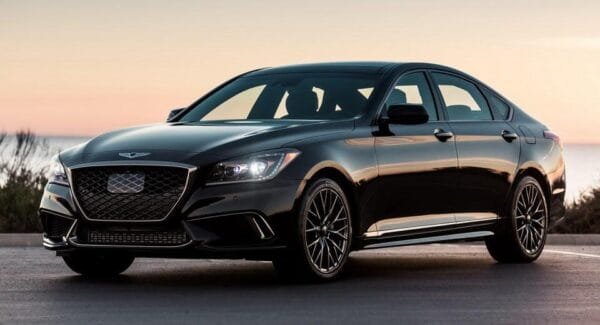
Black cars absorb sunlight effectively, turning it into heat, consequently making the interior feel significantly hotter. The darker surface not only captures more sunlight but also radiates heat less efficiently than lighter colors do. Consequently, the heat absorbed tends to stay within the car for extended periods, especially on sunny days.
Comparative Temperature Studies
Experiments conducted, such as the one by Mythbusters, illustrate this phenomenon clearly. When a black car and a white car were tested, the black car’s interior temperature reached 135°F, compared to just 125°F for the white car. Another study in Sacramento found a consistent 10°F increase in black car temperatures due to sunlight exposure. These findings suggest that black cars do indeed get hotter than light-colored cars—a fact to consider for car buyers.
In conclusion, while the temperature difference may not be alarming, it stands to affect comfort, particularly in humid climates. Owners of black cars can use various methods, such as sunshades and strategically parking in the shade, to mitigate heat absorption. Thus, it’s not just about aesthetics but also about how color influences your driving experience.