Introduction to F1 and IndyCar
At first glance, F1 cars and IndyCar vehicles may appear strikingly similar. Low-slung silhouettes, sleek designs, and the presence of front and rear wings create an aesthetic that can easily confuse enthusiasts and casual observers alike. However, underneath the surface, the philosophies and engineering approaches that drive these two racing series diverge significantly.
Engine and Design Variations
One of the most notable differences lies in the engines. F1 cars utilize hybrid power units that combine internal combustion with electric propulsion, whereas IndyCars predominantly rely on turbocharged V6 engines that produce enormous power without hybrid technology. This fundamental difference not only affects performance but also the strategies employed by teams in each series.
Specifications and Racing Formats
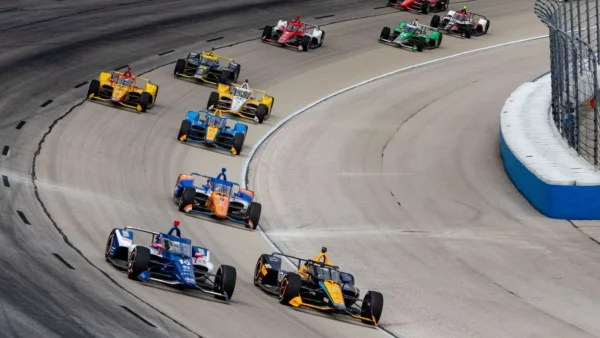
Furthermore, the technical specifications of the two series showcase their unique identities. For instance, IndyCar races are often held on a diverse array of circuits, including ovals, street, and road courses, which can significantly affect car setup and strategy. In contrast, Formula 1 primarily competes on permanent road circuits designed exclusively for the sport. These distinctions are reflective of different racing cultures and the nature of competition.
In summary, while both F1 and IndyCar showcase high-performance single-seater racing, the differences in engine design, technical specifications, and racing formats highlight the unique philosophies that define each series. Understanding how these factors shape each sport enhances our appreciation for the intricacies of motorsport.