Welcome to the World of Robotaxis
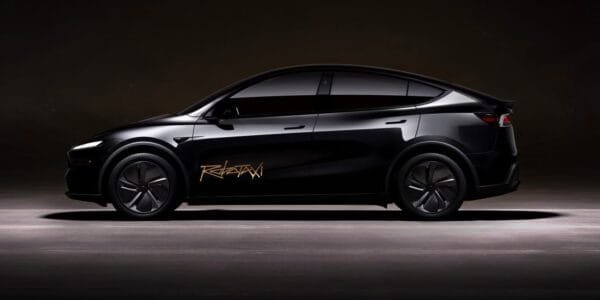
In a bold (or should we say brazen) move, Tesla CEO Elon Musk recently announced that safety monitors will soon be chasing after their last fare in their “robotaxi” vehicles. Yes, you heard that right. In about three weeks, we might just witness the spectacle of driverless Teslas cruising around Austin like they own the road. However, let’s not pop the champagne just yet—Musk has made similar exuberant promises about full self-driving tech since the dawn of time (or at least since his last decade-long timeline).
The Reality of So-Called Full Self-Driving
Let’s take a moment to dissect this so-called “full self-driving” dream. Despite the flash of tech wizardry, the reality is a tad less glamorous. Tesla’s vehicles have been operating with safety monitors dutifully sitting in the passenger seat, ready to take control if the car throws a tantrum. Essentially, instead of a driver in the front seat, we have a glorified backseat driver pretending to read a newspaper. Sounds like a crafty reimagining of autonomy, doesn’t it?
Wait, Did Someone Say High Crash Rate?
As if that wasn’t enough drama for our cinematic Tesla saga, accidents have become a common plot twist in the story of robotaxis. Since rolling out their fleet, it’s been a bumpy ride, literally. With a hasty promise to have a driverless taxi network running by year-end, one has to wonder if Musk’s timeline will prove as flimsy as a plastic fender. But hey, at least they did deliver an unoccupied vehicle from the factory! How’s that for a show of confidence?
So, as we hold our breath for those fabled driverless days ahead, maybe keep your wallet tucked away for now—who knows when we might actually see one of Musk’s “robotaxis” pull up sans a safety monitor. Until then, buckle up for another wild ride in the world of Tesla!