After launching the SU7 in March 2024, Xiaomi quickly turned its first electric sedan into one of the most talked-about EVs in China. What began as a bold move by a consumer electronics giant evolved into a genuine automotive success story—at least in its early phase.
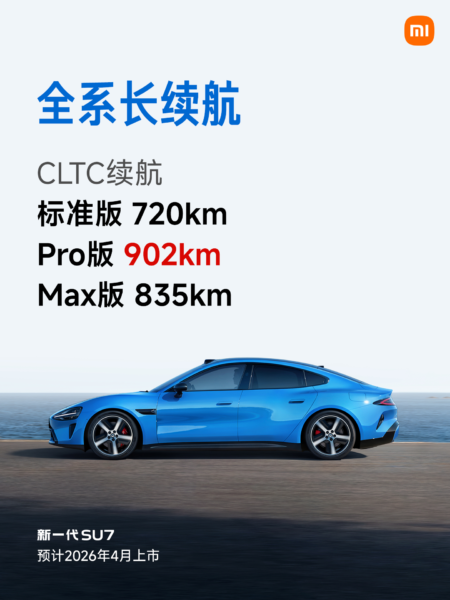
Within nine months of launch, the SU7 accumulated nearly 250,000 pre-orders, underlining the depth of initial demand. By the end of 2024, Xiaomi had delivered more than 135,000 units, an impressive figure for a first-generation vehicle from a brand new automaker. According to Xiaomi CEO Lei Jun, total SU7 sales have now surpassed 360,000 units in just 21 months, averaging over 17,000 cars per month—a pace that many established automakers would struggle to match.
Momentum Meets Market Reality
Despite a strong first half of 2025, SU7 sales have shown signs of slowing since August. In key months such as September and November, the sedan was outsold in China by the Tesla Model 3, highlighting the intensity of competition in the mid-size EV segment.
Part of the slowdown appears to be strategic rather than purely demand-driven. In June 2025, Xiaomi launched the YU7, its first electric SUV, and began reallocating production capacity to support the ramp-up of the new model. As a result, SU7 output was constrained, impacting monthly delivery volumes even as overall interest in the brand remained high.
Brand Recognition Over Pure Volume
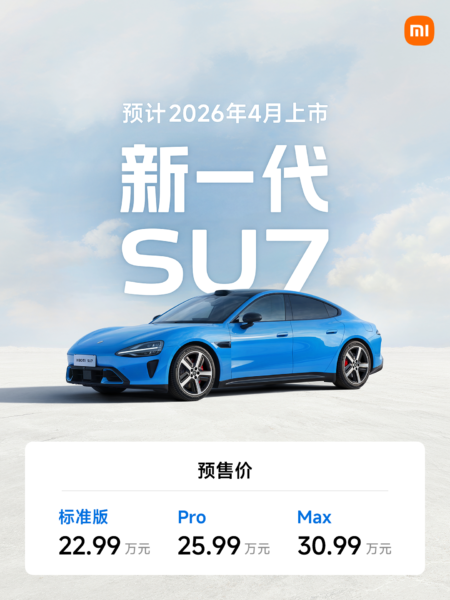
From a brand perspective, the SU7 has already served a critical role for Xiaomi. It established the company as a credible EV manufacturer almost overnight, proving that its strengths in software integration, user experience, and supply chain management could translate into the automotive space. The sedan’s early sales surge helped Xiaomi build trust with consumers and regulators alike—no small achievement for a newcomer in China’s crowded EV market.
The recent sales deceleration does not necessarily signal weakening brand appeal. Instead, it reflects Xiaomi’s transition from a single-model success to a multi-product EV portfolio, a phase that often comes with temporary volume trade-offs.
Assessment
The SU7’s trajectory suggests that Xiaomi has already cleared the hardest hurdle facing new automakers: market acceptance. While sales momentum has eased as production focus shifts to the YU7 and competition intensifies, the SU7 has firmly anchored Xiaomi’s EV identity. Going forward, the brand’s challenge will be balancing scale, model expansion, and sustained demand—less about proving it belongs, and more about showing it can compete consistently in the long term.