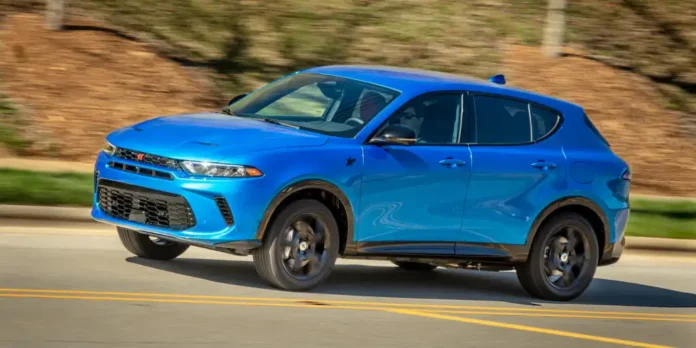
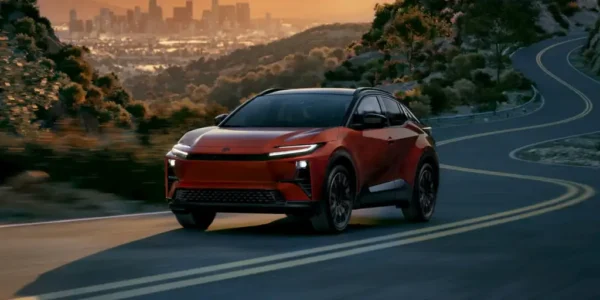
Toyota is preparing to launch the 2026 C-HR, bringing back a familiar nameplate—this time as a fully electric compact SUV. Expected to arrive in U.S. dealerships in early 2026, the new C-HR EV could become Toyota’s cheapest electric SUV and one of the most affordable EVs on the American market.
The original gas-powered C-HR was discontinued in 2022 after struggling to stand out, eventually giving way to the Corolla Cross Hybrid. Now, Toyota is betting that electrification—and sharper positioning—can give the C-HR a second life.
What the new electric C-HR brings
The 2026 C-HR is built around a 74.7 kWh battery, delivering up to 290 miles of range, a figure that immediately puts it near the top of its class. It also comes standard with a native NACS charging port, allowing direct access to Tesla Superchargers across North America. With DC fast-charging speeds up to 150 kW, Toyota estimates a 10%–80% charge in about 30 minutes.
Performance is another surprise. Unlike many entry-level EVs, the C-HR comes standard with dual-motor all-wheel drive, producing a combined 338 horsepower and a 0–60 mph time of around 5 seconds—quick by compact SUV standards.
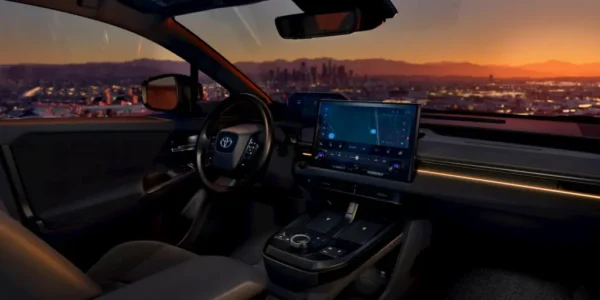
Inside, Toyota steps up its game with a 14-inch Toyota Audio Multimedia system, wireless Apple CarPlay and Android Auto, and a long list of standard features, including heated front seats, a heated steering wheel, roof rails, and a power liftgate.
How it stacks up against rivals
In terms of size, the C-HR is close to the Kia Niro EV and the Volvo EX30, while being shorter than Toyota’s own bZ. Compared to its rivals:
Kia Niro EV: Practical and efficient, but slower and front-wheel drive only.
Volvo EX30: Stylish and quick, but smaller inside and likely pricier when similarly equipped.
Chevy Bolt: Very affordable, but lacks AWD and SUV proportions.
Nissan LEAF: Aging platform and shorter range compared to the C-HR.
If Toyota prices the C-HR between $30,000 and $35,000, it could undercut many competitors while offering more power and standard AWD—an unusual combination in this price bracket.
Who the C-HR is for
The electric C-HR is best suited for:
Urban and suburban drivers who want manageable size but real performance
First-time EV buyers looking for a trusted brand and strong charging access
Cold-climate drivers, thanks to standard AWD
Daily commuters and weekend road-trippers, with enough range for longer highway drives
It’s less ideal for buyers needing maximum cargo space or those prioritizing ultra-low pricing above all else.
Final outlook: a quiet disruptor?
The 2026 Toyota C-HR EV doesn’t try to reinvent the electric SUV—it simply gets a lot of fundamentals right. Strong range, fast charging with NACS, surprising performance, and competitive pricing could make it a standout in one of the most contested EV segments.
If Toyota delivers on price and availability, the C-HR could become a volume seller that reshapes expectations for affordable electric SUVs—proof that Toyota’s cautious EV strategy may finally be finding its rhythm.