Triumph is giving its middleweight 660 range a meaningful update for 2026, with both the Trident 660 and Tiger Sport 660 receiving a livelier engine, subtle chassis revisions, and incremental comfort upgrades. Bikes are set to land in dealerships from March, with prices rising modestly: £8,095 OTR for the Trident (+£200) and £9,295 OTR for the Tiger Sport (+£300).
What’s new—and why it matters
The headline change is the engine. Borrowed from the Daytona 660, the revised triple delivers a claimed 93.9 bhp at 11,250 rpm and 50.2 lb-ft at 8,250 rpm, up from 81 bhp and 47.2 lb-ft previously. Triumph says 80% of peak torque is available from 3,000 rpm to nearly 12,000 rpm, a promise that translates to stronger roll-on acceleration and less gear hunting in real-world riding.
Achieving this meant more than a tune: the move from a single throttle body to three individual 44 mm throttle bodies required small frame tweaks (geometry unchanged) to package the new setup. There’s also a higher redline—12,650 rpm—and an A2 restrictor kit for newer riders.
Weight creeps up slightly (Trident 195 kg, Tiger Sport 211 kg wet), but the trade-off is broader performance and smoother delivery. For everyday riders, that’s a fair exchange.
Tech and comfort: subtle but useful
Both bikes retain Triumph’s TFT/LCD hybrid display with smartphone connectivity for navigation and media, full LED lighting, and a six-axis IMU enabling lean-sensitive traction control and cornering ABS—features that still set the class benchmark.
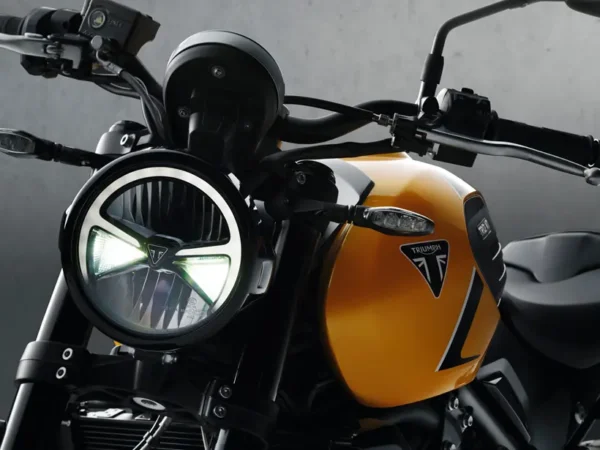
The Trident gains a wider fuel tank (still 14 liters), a new split seat for rider and pillion comfort, wider handlebars, and improved suspension with rebound adjustment added at the rear alongside preload. Seat height remains approachable at 810 mm.
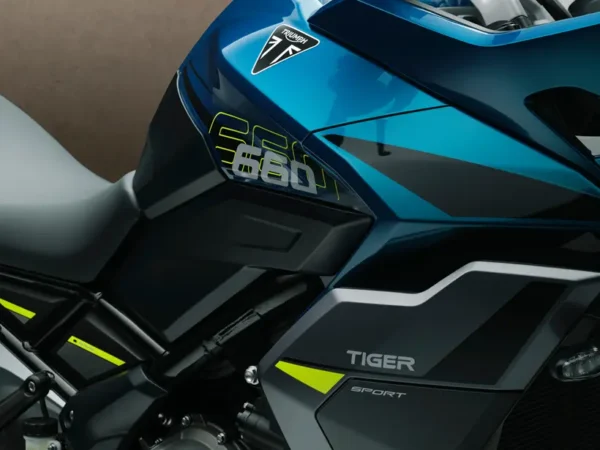
The Tiger Sport leans into its touring brief with 150 mm suspension travel (vs. 130 mm on the Trident), a larger 18.6-liter tank (up from 17.2), revised front-end styling, and new radiator cowls designed to improve weather protection. Seat height is 835 mm, with a lower accessory option bringing it down to 810 mm.
Is the price increase justified—globally?
In Europe, the modest £200–£300 hike feels proportionate to the engine and electronics uplift, especially as rivals push prices upward. In the U.S., where middleweight pricing is more sensitive, the added performance and IMU tech help justify the bump—provided on-the-road pricing stays competitive. Australia and Canada tend to see sharper landed-cost increases; here, value will hinge on dealer incentives and accessory bundles, but the broader torque curve and touring refinements should resonate with commuters and light tourers alike.
Final outlook
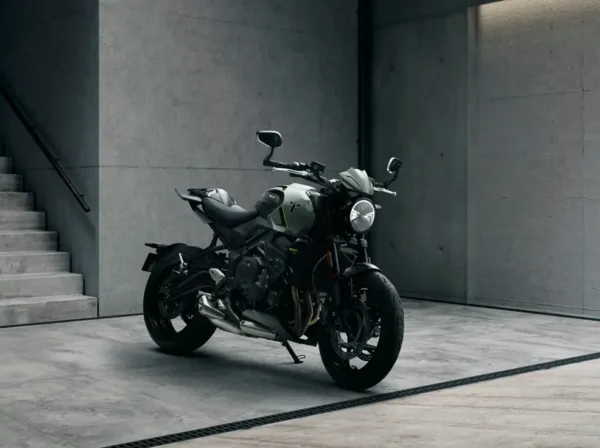
Triumph’s 2026 updates don’t reinvent the Trident or Tiger Sport—they polish what already works. The spicier engine adds urgency without sacrificing accessibility, while the tech and comfort tweaks enhance daily usability. For riders deciding whether the upgrade is “worth it,” the answer depends on priorities: if smoother, stronger midrange and class-leading electronics matter, the price rise is justified. If not, outgoing models may remain tempting bargains. Either way, Triumph has kept the 660s firmly in the conversation—right where they belong.