Tesla is once again telling customers that the clock is ticking. According to recent owner communications, the window to transfer Full Self-Driving (FSD) from an existing Tesla to a new one will close at the end of the quarter, specifically March 31, 2026. Miss it, Tesla warns, and owners who paid as much as $15,000 for the software may have to buy it again.
On paper, this sounds final. In practice, many owners have heard this before.
The “last chance” that keeps coming back
Tesla first introduced FSD transfers in Q3 2023, when CEO Elon Musk called it a “one-time amnesty.” The message was clear: act now, because it will never happen again. Then it came back. And back again. And again.
Over time, what was framed as an exception has effectively turned into a quarter-end demand lever—reappearing whenever Tesla needs a delivery push. That history makes today’s warning harder to take at face value, even as the company insists this time is different.
Why this time feels different
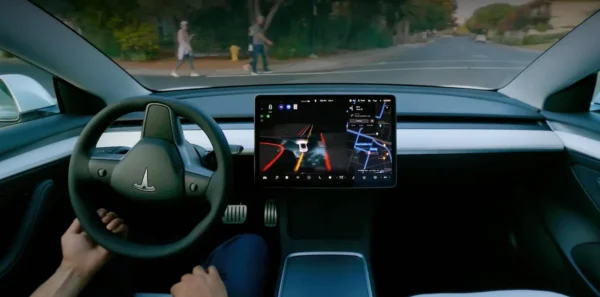
What gives the current deadline extra weight is Tesla’s recent announcement that FSD will move to a subscription-only model starting next month. Once that happens, buyers will no longer be able to purchase FSD outright. Monthly payments replace ownership.
If Tesla follows through, this transfer window wouldn’t just be the last chance to move FSD—it could be the last opportunity to secure a perpetual license on a new vehicle at all.
That’s a big shift.
What consumers stand to gain
For existing owners who already paid for FSD, transferring it now offers several clear benefits:
Cost protection: Avoid repurchasing a high-priced software package.
Continuity: Keep access to the latest FSD updates without committing to a subscription.
Leverage: For buyers already planning to upgrade vehicles, the transfer adds tangible value to the decision.
In short, if you believe Tesla’s framing, acting now preserves something increasingly rare in the automotive software world: ownership.
What consumers risk losing
On the other side of the ledger, the risks are real:
Forced timing: Owners may feel pressured to upgrade vehicles earlier than planned.
Unfulfilled promises: Tesla still hasn’t delivered what many customers believed they were buying—unsupervised autonomous driving.
Uncertainty: Given Tesla’s history, there’s no guarantee this truly is the final window, meaning some may rush into decisions unnecessarily.
And once FSD becomes subscription-only, the relationship changes. Instead of a sunk cost that improves over time, FSD becomes an ongoing expense, vulnerable to price changes and policy shifts.
The bigger picture
Tesla’s move reflects a broader industry trend toward software-as-a-service, where features are rented rather than owned. For Tesla, it means recurring revenue and predictable cash flow. For consumers, it means flexibility—but also dependency.
Final outlook
This “last” FSD transfer window sits at the intersection of trust, timing, and ownership. For some owners, transferring now may be the rational choice. For others, it may feel like being nudged into a corner by a deadline that history suggests could change.
Whether Tesla sticks to its word or not, the direction is clear: the era of owning your car’s most advanced software is fading. The real decision for consumers isn’t just whether to transfer FSD—but whether they’re comfortable with the future Tesla is asking them to subscribe to.