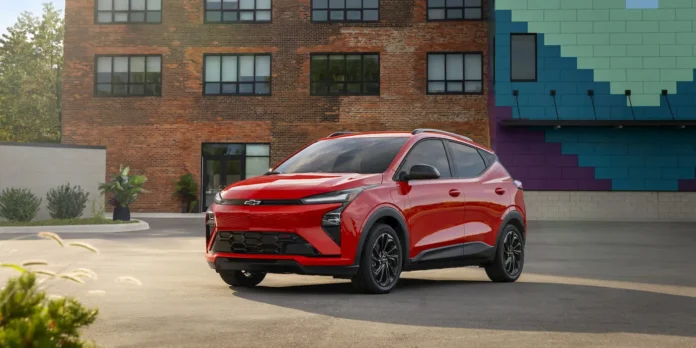
Winter is when electric vehicles stop being abstract technology and start becoming part of everyday life. Cold mornings, short trips, frozen windscreens, and longer nights all test an EV in ways summer never does. Range drops, charging slows, and efficiency suddenly matters. But winter driving doesn’t have to be stressful—or disappointing—if you understand what’s really happening and adjust your habits slightly.
The biggest factor affecting winter range is temperature. Cold batteries are less efficient, and EVs also use energy to heat the cabin and condition the battery. One of the simplest ways to protect range is to precondition the car while it’s still plugged in. Warming the battery and cabin using grid power instead of the battery itself can make a noticeable difference, especially on short trips.
Driving style matters more in winter than many owners expect. Cold tires have higher rolling resistance, and aggressive acceleration drains energy faster when the battery is cold. Smooth throttle inputs, moderate speeds, and using regenerative braking effectively help preserve range. If your EV allows adjustable regen levels, winter is often the time to use a gentler setting for better traction and control.
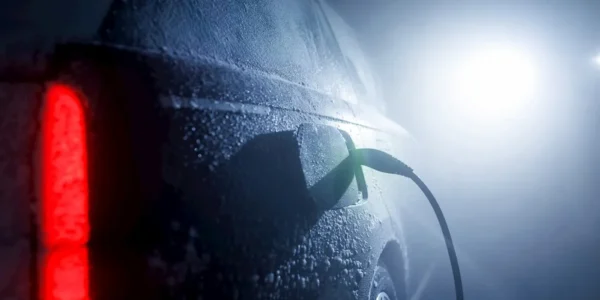
Charging strategy also deserves attention. Fast charging in very cold weather can be slower until the battery warms up. Planning longer drives with a warm battery—rather than arriving at a charger after a short, cold trip—can reduce waiting times. At home, charging overnight at a moderate level instead of pushing to 100% daily can help balance convenience and battery health.
Finally, don’t underestimate tires. Winter or all-weather tires can improve efficiency, safety, and confidence far more than software tweaks. Better traction means smoother driving, which often translates into better real-world range.
The key mindset shift is this: winter EV ownership is not about chasing the headline range number. It’s about predictability, preparation, and comfort. An EV that starts every morning warm, charges reliably, and delivers consistent performance—even with reduced range—is still doing its job. Winter doesn’t expose EV weaknesses as much as it reveals which drivers have adapted and which are still driving like it’s July.