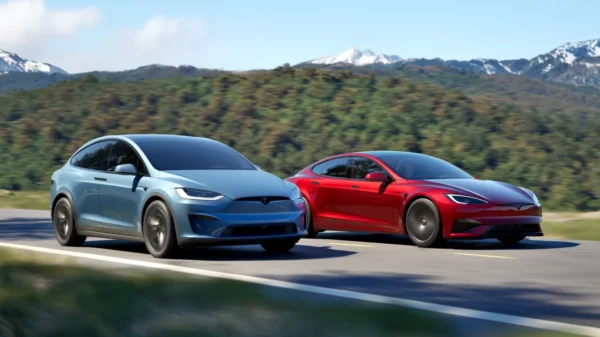
The announcement that Tesla will discontinue the Model S and Model X by the end of Q2 2026 feels quietly historic. When Elon Musk confirmed the decision during Tesla’s Q4 2025 earnings call, it marked the closing chapter on two vehicles that once defined what an electric car could be.
The Tesla Model S, launched in 2012, didn’t just compete with luxury sedans — it embarrassed them. Long range, instant acceleration, and over-the-air updates reshaped consumer expectations overnight. The Tesla Model X, despite its quirks, pushed boundaries in design and performance at a time when electric SUVs barely existed.
For consumers, this move sends a clear message: Tesla is no longer focused on being aspirational at the top — it’s focused on scale. The company’s center of gravity has shifted decisively toward mass-market products like the Model 3, Model Y, and future lower-cost platforms. From a practical standpoint, buyers will likely see Tesla streamline service, software development, and production efficiency. Fewer platforms mean fewer compromises in execution.
That said, there is an emotional cost. Some consumers still associate Tesla’s brand identity with the elegance and ambition of the Model S. Its disappearance may make Tesla feel more utilitarian, less visionary — especially for buyers who valued exclusivity and flagship status. There’s also a lingering concern about long-term support, resale value, and brand prestige for current owners, even if Tesla maintains service commitments.
In my view, discontinuing the Model S and X is strategically sound but symbolically risky. It reinforces Tesla’s evolution into a high-volume manufacturer rather than a luxury innovator. Whether consumers see this as maturity or loss depends on what Tesla builds next — because once icons disappear, only bold replacements can prevent nostalgia from turning into disappointment.