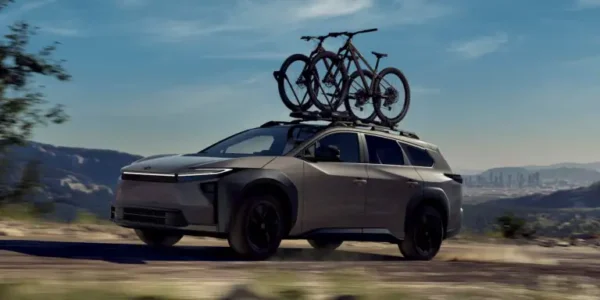
The arrival of the Toyota bZ Woodland for 2026 marks a noticeable shift in Toyota’s EV strategy. This isn’t a cautious, efficiency-first electric crossover like the original bZ. Instead, the bZ Woodland leans hard into the outdoor lifestyle trend, with added ground clearance, all-wheel drive, rugged styling cues, and practical upgrades aimed at buyers who want their EV to feel more SUV than commuter appliance.
On paper, the changes are meaningful. The bZ Woodland is nearly six inches longer than the standard bZ, unlocking significantly more cargo space. Its dual-motor AWD setup produces 375 horsepower — a healthy bump over the base version — and it offers 8.3 inches of ground clearance along with a respectable 3,500-pound towing capacity. The inclusion of a native NACS port for access to Tesla Supercharger stations is another clear win, especially for road-trippers.
But then comes the price. At $45,300 before destination fees, the bZ Woodland costs more than $10,000 above the standard 2026 bZ. That’s not a small jump, especially when range drops to an estimated 260 miles due to the added power and weight. In a market where buyers are already sensitive to EV pricing, Toyota is asking customers to pay real money for rugged character rather than outright efficiency.
The comparison with the Subaru Trailseeker makes things even more interesting. The Trailseeker, widely seen as a mechanical cousin to the bZ Woodland, starts at over $5,000 less. Subaru also offers more trim choices, reinforcing the perception that Toyota may be pricing in brand strength — or holding back features to justify the gap later.
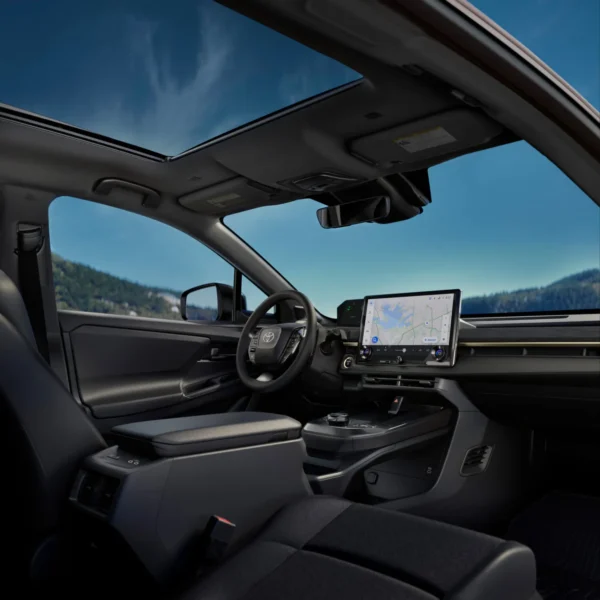
Against broader rivals in the compact electric SUV space, the bZ Woodland sits in an awkward middle ground. It’s more capable than efficiency-focused crossovers, but less extreme than true off-road EVs. Buyers could also cross-shop similarly priced options that offer more range, faster charging curves, or stronger performance credentials.
In my view, the bZ Woodland isn’t outrageously priced — but it is ambitiously priced. It makes sense for buyers who want a Toyota-branded EV that looks and feels adventure-ready, with AWD and Supercharger access baked in. For everyone else, especially value-focused EV shoppers, the Trailseeker or other competitors may simply offer more for the money.