BYD has quietly built something remarkable in Mexico. In just a few years, the Chinese automaker has come to dominate around 70% of the country’s EV and plug-in hybrid market — an achievement that would have seemed unthinkable not long ago. Now, with Canada easing the door open to limited Chinese EV imports, BYD’s next move could reshape the North American EV landscape.
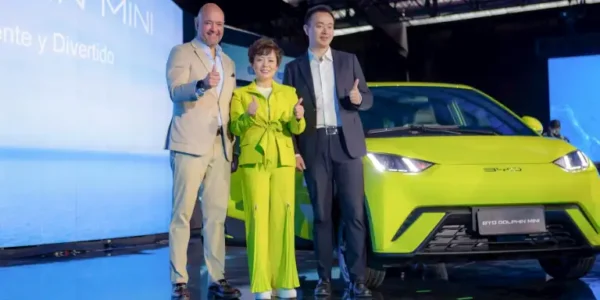
Price is the most obvious part of BYD’s appeal. Models like the Dolphin Mini undercut rivals by thousands of dollars, making EV ownership realistic for first-time buyers. In Mexico, where affordability matters more than brand legacy, this strategy hits perfectly. The Dolphin Mini costs roughly $2,000 less than competitors like the Chevy Spark EUV, while still offering modern infotainment, acceptable range, and solid build quality. For many buyers, it’s “good enough” — and priced right.
But BYD’s success isn’t just about being cheap. Its vehicles have steadily improved in design and perceived quality. Cars like the Han and Tang look contemporary and confident, not like budget compromises. Interiors feel modern, batteries are developed in-house, and powertrains emphasize smoothness and efficiency rather than headline performance. For urban Mexican drivers, that balance works. These cars feel new, reliable, and attainable — not experimental.
Legacy automakers left a gap. Many US and Japanese brands continued pushing outdated gas or hybrid models, assuming Mexico wasn’t ready for EVs. BYD and other Chinese brands stepped in and proved otherwise. Even Tesla, often seen as the global EV benchmark, sold only a fraction of BYD’s volume in Mexico.
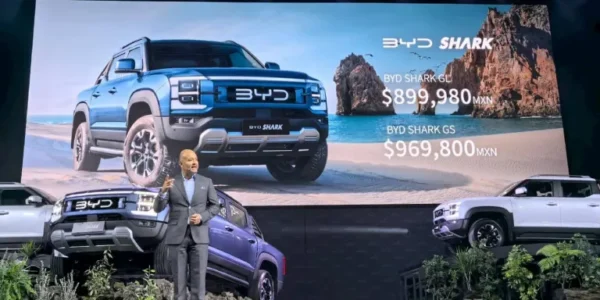
Canada presents a different challenge. Canadian buyers tend to be more brand-conscious and more demanding about safety ratings, cold-weather performance, and long-term reliability. BYD’s pricing advantage could still resonate, especially as EV affordability becomes a bigger concern. However, success there will depend on trust: dealer networks, after-sales service, and proven performance in harsh winters.
Design-wise, BYD’s cars should translate well to Canada. Powertrain-wise, efficiency-focused EVs and PHEVs make sense. The bigger question is perception — whether Canadian consumers are ready to embrace a Chinese brand the way Mexican buyers have.
In my view, BYD is exceptionally well-suited to Mexico because it meets buyers exactly where they are. Canada is a tougher, slower test — but if pricing stays aggressive and quality continues to improve, BYD won’t just enter the market. It will pressure every established brand to rethink how much an EV really needs to cost.