The return of the Toyota C-HR as a fully electric model feels both familiar and surprising. Familiar because the C-HR name has always stood for compact, urban-friendly design. Surprising because, this time, it’s not the affordable entry point many expected. With prices starting at $37,000, the 2026 C-HR EV lands higher than anticipated — and even above Toyota’s larger Toyota bZ, which starts at $34,900.
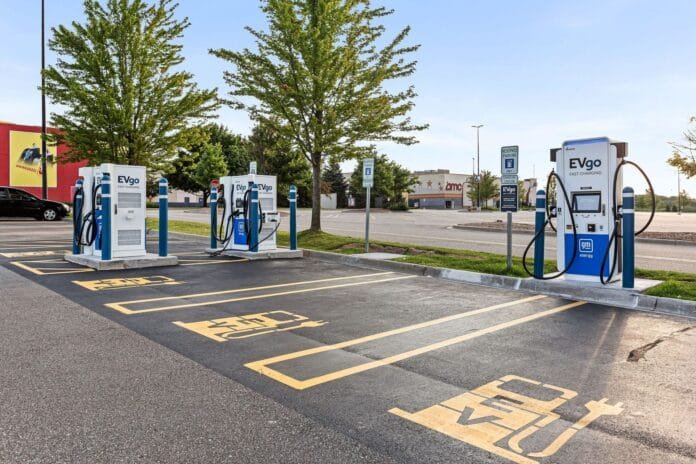
On paper, Toyota has reasons for the pricing. Unlike the bZ, the C-HR EV comes standard with dual-motor all-wheel drive, delivering up to 338 horsepower and a brisk 0–60 mph time of around five seconds. That’s quick for a compact crossover. Its 74.7 kWh battery is expected to deliver up to 290 miles of range, and the inclusion of a built-in NACS port gives it direct access to Tesla Supercharger stations — a real-world advantage in North America.
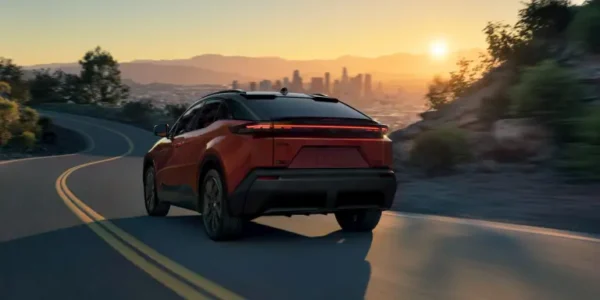
Still, perception matters. At $37,000–$39,000, the C-HR EV enters a crowded segment. Buyers will inevitably compare it to rivals like the Kia Niro EV and the Volvo EX30, both of which emphasize design, efficiency, and value. Some competitors offer rear-wheel drive dynamics, others lean into premium interiors or lower entry prices. Toyota’s counterargument is balance: performance, AWD security, solid range, and brand reliability in one package.
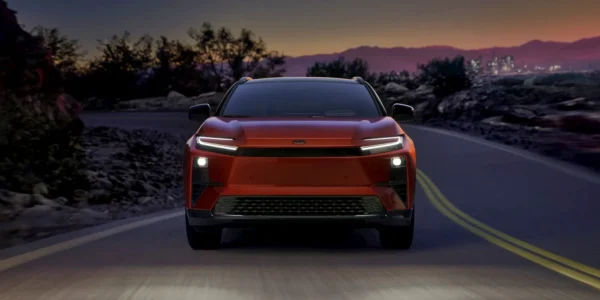
Regionally, the fit varies. In the United States and Canada, AWD and Supercharger access are strong selling points, especially in colder climates. Canadian buyers, in particular, may appreciate the traction and predictable winter performance, even if the price feels ambitious. In Europe, where compact EVs thrive, the C-HR’s size works well, but pricing could be a tougher sell against local and Chinese competitors that undercut it. Australia may be more receptive, as buyers there often value performance and practicality over being the absolute cheapest option.
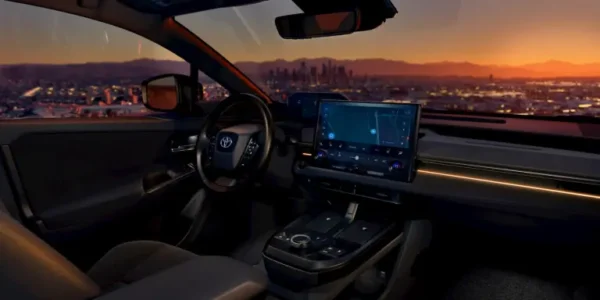
In my view, the 2026 C-HR EV isn’t overpriced — but it is strategically priced. Toyota is clearly positioning it not as a budget EV, but as a compact, all-weather performer with mainstream appeal. For buyers who want the lowest price, rivals exist. For those who trust Toyota and want a small EV that doesn’t feel compromised, the C-HR EV could make sense — just not as the bargain many were expecting.