Tesla’s official entry into Morocco feels less like a routine market expansion and more like a carefully timed strategic move. With a launch event scheduled for February 6, 2026, in Casablanca, Tesla is bringing the Tesla Model 3 and Tesla Model Y to North Africa at a moment when the country’s auto market — and EV adoption in particular — is accelerating fast.

At first glance, Morocco might seem like an unusual choice. The market is dominated by affordable brands such as Dacia and Renault, and price sensitivity remains high. Tesla is clearly entering at the premium end of a market that has historically prioritized value over brand aspiration. That’s a risk — but not a blind one.
Morocco’s fundamentals are quietly strong. Vehicle sales are growing at double-digit rates, GDP growth is projected around 3.8%, and inflation has stabilized. More importantly, Morocco has emerged as Africa’s most dynamic EV market. Electric vehicle sales surged over 170% in the first half of 2025, with EVs now accounting for roughly 3% of total sales — a small share, but a meaningful one in a regional context.
Le Maroc, nous sommes bientôt hna 🇲🇦https://t.co/ESMFAiEnwR pic.twitter.com/UsMGz4scy5
— Tesla Europe & Middle East (@teslaeurope) January 30, 2026
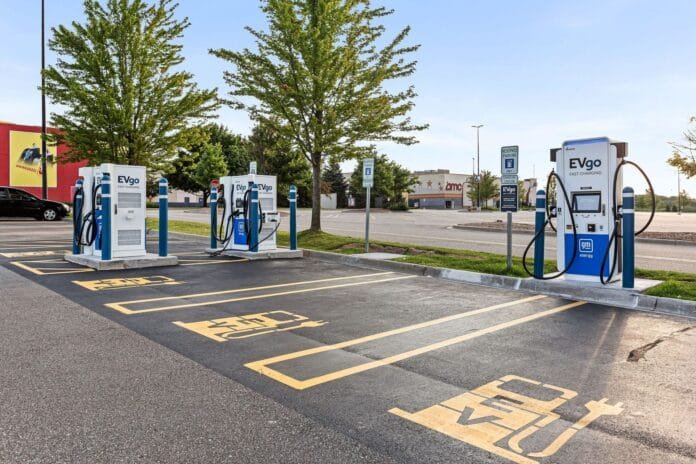
Competition will be real. BYD currently leads Morocco’s EV market, offering more affordable models that appeal to cost-conscious buyers. Tesla’s advantage lies elsewhere: brand prestige, perceived technology leadership, and the quiet fact that it has already been operating Supercharger stations in Morocco years before selling cars there. In a market where charging infrastructure is still limited, that matters.
Morocco’s role as a manufacturing hub also strengthens Tesla’s position. With deep automotive expertise, strong export ties to Europe, and government support for EVs, the country offers more than just local sales — it offers strategic presence.
In my view, Tesla isn’t chasing volume in Morocco, at least not yet. It’s planting a flag. If EV adoption continues its current trajectory, Tesla’s early premium positioning and charging network could pay off — not just in Morocco, but as a gateway to the wider African market.