When Toyota confirmed that the C-HR would return as a fully electric model for 2026, expectations were clear. The old gas-powered C-HR had been one of Toyota’s most affordable SUVs, so many assumed the EV version would slot neatly below the Toyota bZ, starting somewhere around $30,000 to $35,000. Instead, Toyota surprised everyone.
The 2026 Toyota C-HR starts at $37,000 — more expensive than the larger bZ, which begins at $34,900. At first glance, that pricing feels backwards. The C-HR is shorter, has a smaller wheelbase, and offers less interior space. So why does it cost more?
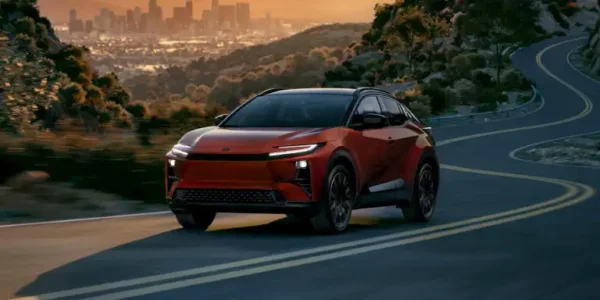
The biggest answer is standard all-wheel drive. Unlike the bZ, which is available in front-wheel drive at a lower entry price, the C-HR comes exclusively with AWD and the larger 74.7 kWh battery. That setup delivers up to 290 miles of range and noticeably stronger performance. In Toyota’s lineup, AWD alone can add around $5,000 — suddenly, the pricing logic becomes clearer, even if it’s still uncomfortable.
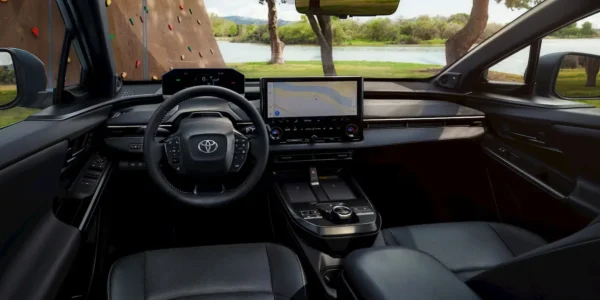
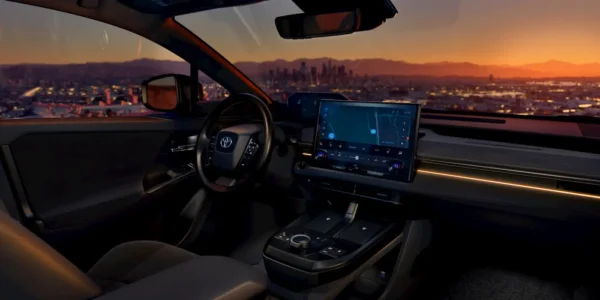
Interior-wise, the two vehicles are more alike than different. Both feature Toyota’s refreshed cabin design with a large 14-inch touchscreen, wireless Apple CarPlay and Android Auto, and a cleaner, more modern layout than earlier Toyota EVs. The C-HR XSE adds premium touches like 20-inch wheels, synthetic suede seating, a digital rearview mirror, and a panoramic view monitor, nudging it closer to near-premium territory.
Against competitors, the C-HR lands in a crowded space. In the US and Canada, buyers will inevitably compare it to compact electric crossovers from Hyundai, Kia, and Volvo — some offering similar range or interior tech for similar money, sometimes with better financing. Toyota’s aggressive incentives on the bZ, including 0% financing and large cash bonuses, make the C-HR look even less like a bargain by comparison.
In the United States, the C-HR’s price may be its biggest obstacle. Many buyers prioritize value and incentives, and Toyota is clearly steering them toward the bZ instead. Canada is a slightly better fit, where AWD is more appreciated and winter traction matters. In Europe, the price looks high relative to strong competition from Chinese and European EVs. Australia could be more receptive, as buyers there often accept higher prices for AWD crossovers with strong brand reliability.
In my view, the electric C-HR isn’t mispriced — it’s narrowly priced. Toyota isn’t trying to make it the people’s EV. It’s positioning the C-HR as a compact, sporty, all-weather electric crossover for buyers who trust the brand and want AWD as standard. The problem is that, at this price, many shoppers may simply walk a few steps over to the bZ — and that might be exactly what Toyota intends.