Waymo’s latest funding round feels like a turning point for the autonomous driving industry. With Waymo securing $16 billion at a $126 billion valuation, this is now the largest investment ever made into an autonomous vehicle company. Backed by Alphabet and a roster of top-tier global investors, the message is clear: robotaxis are no longer an experiment — they are becoming infrastructure.
What makes this round stand out isn’t just the size, but the credibility behind it. Firms like Sequoia, Andreessen Horowitz, DST Global, and Fidelity are not known for speculative enthusiasm. Their participation suggests confidence that Waymo has crossed a critical threshold from research-heavy development into repeatable, scalable operations. The numbers support that view: over 127 million fully autonomous miles driven, more than 20 million lifetime rides, and weekly trips now exceeding 400,000.
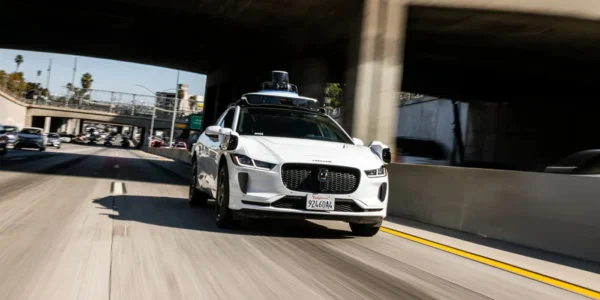
For users, the implications could be significant. Expansion into more than 20 new cities — including international markets like Tokyo and London — means autonomous rides may soon feel less like a novelty and more like a normal transportation option. Increased fleet size should also translate into shorter wait times, broader coverage, and more reliable service, addressing some of the friction early robotaxi users have experienced.
Safety remains the most important question. Waymo reports a 90% reduction in serious injury crashes compared to human drivers, a claim that, if sustained at scale, could fundamentally reshape how cities think about road safety. For people who cannot drive — due to age, disability, or cost — autonomous taxis also promise greater independence and accessibility.
That said, challenges remain. Regulation, public trust, edge-case driving scenarios, and integration with existing transit systems will determine how smoothly this expansion unfolds. A large valuation doesn’t eliminate those hurdles — it simply provides the resources to confront them.
In my view, this funding round is ultimately good news for users, not because it guarantees perfection, but because it accelerates choice. If Waymo succeeds, people gain another reliable way to move through cities without owning a car. And even if competitors push back, the real winner could be the public — benefiting from safer roads, more flexible mobility, and transportation that increasingly works around people’s lives, not the other way around.